Numeric Field Interactions in Square-based Pyramid
Numeric Patterns in a Square Pyramid
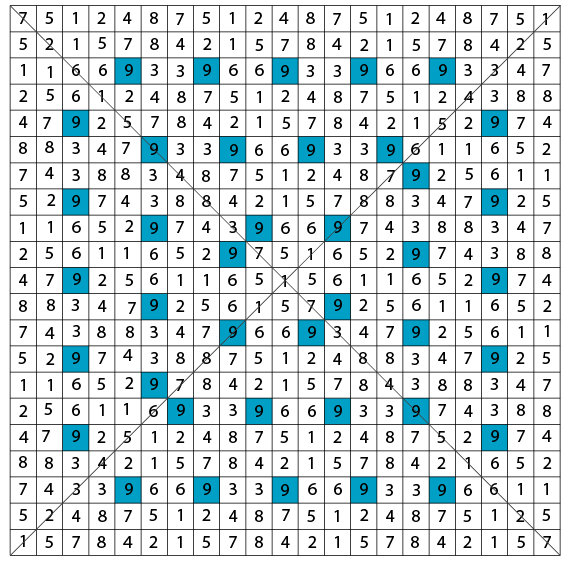
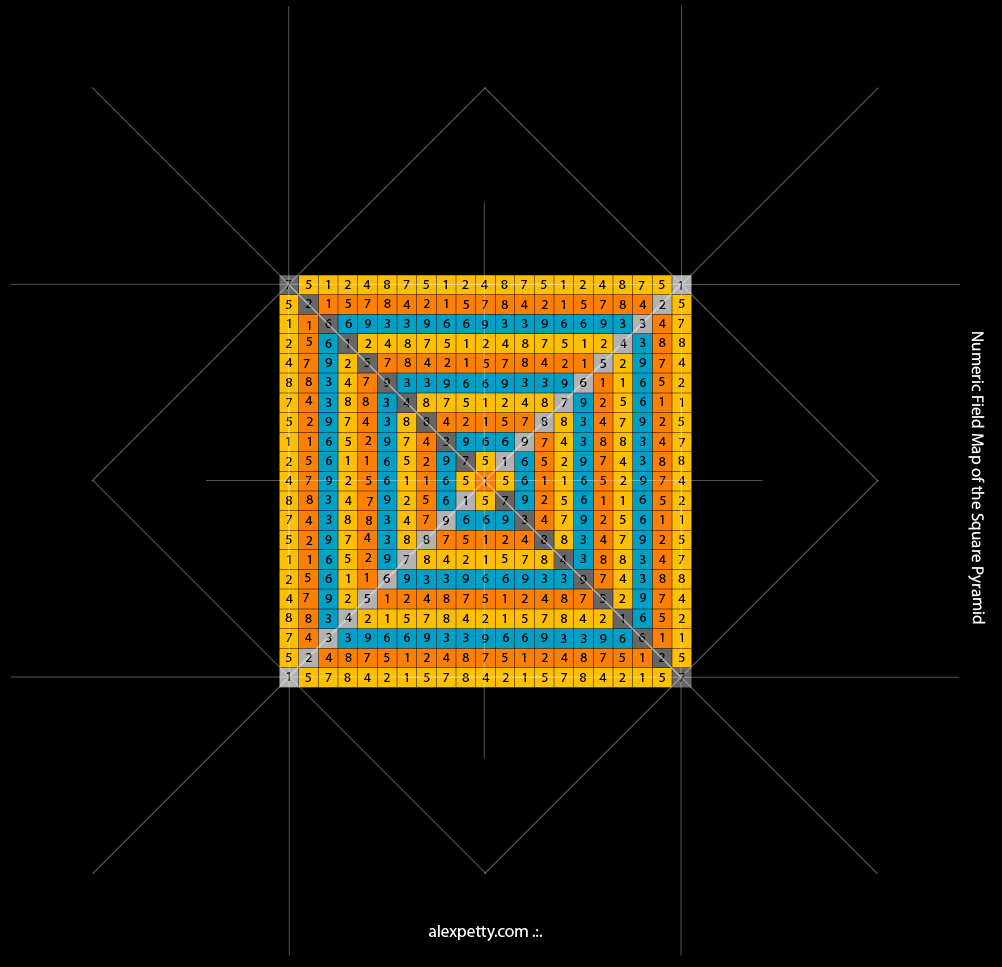
The drawings below explore how numbers arrange themselves when mapped onto a square-based pyramid.
The goal is simple. Place the numbers on the geometry and observe the patterns that appear.
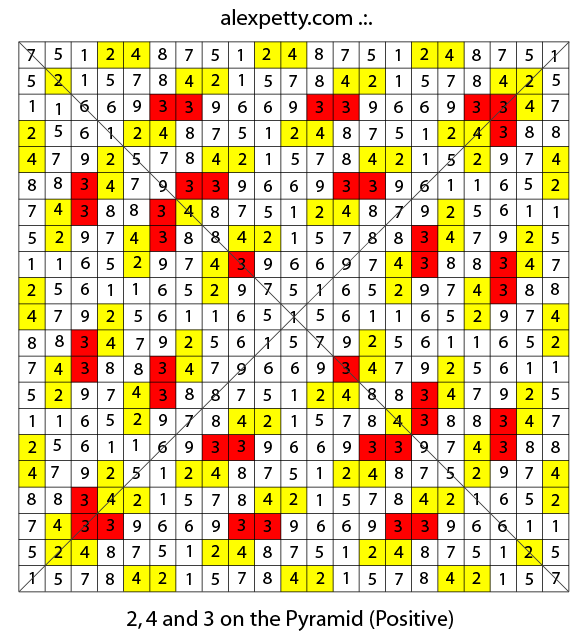
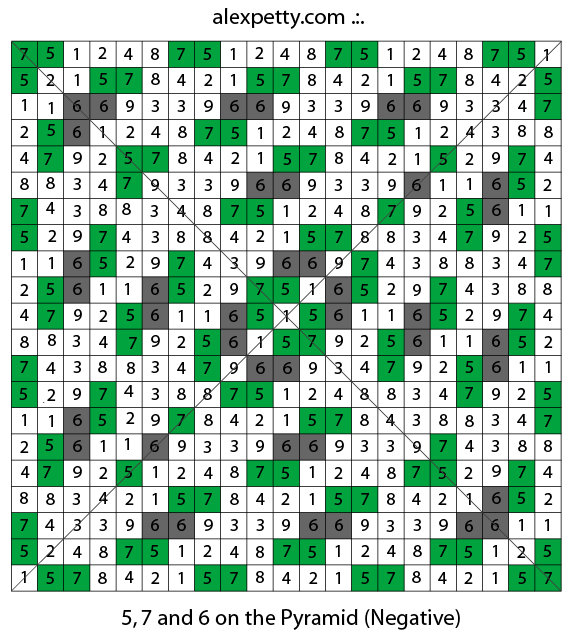
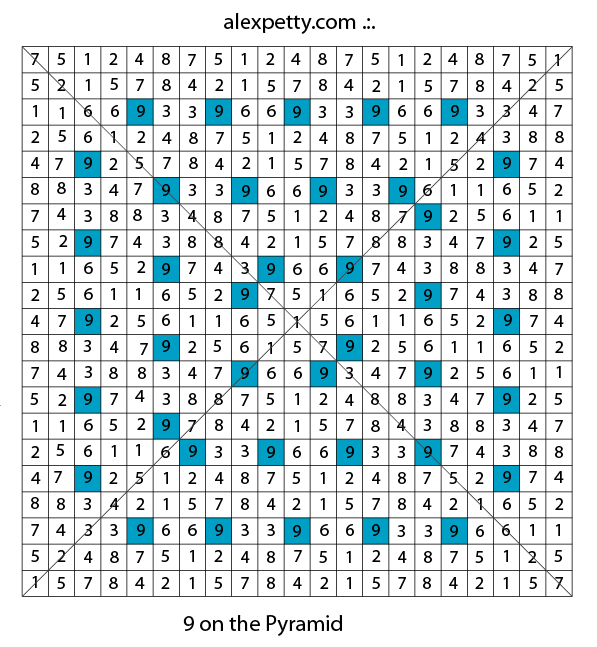
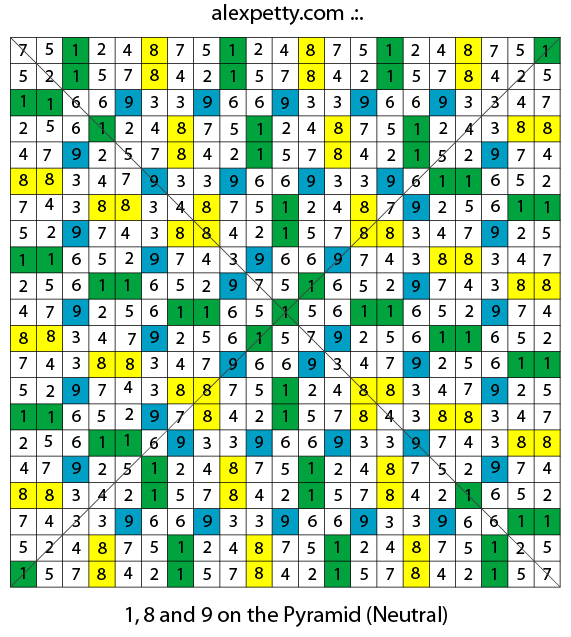
Adding radial structure
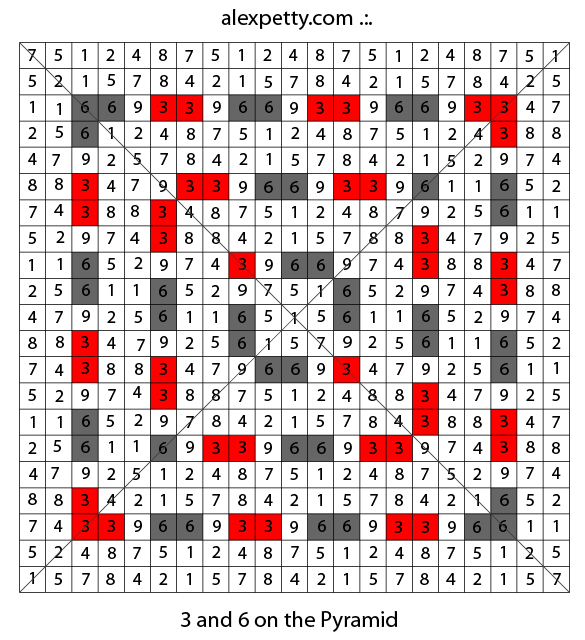
Taking the study a step further, the pyramid can be examined with an eight-radial field overlay.
A diagonal harmonic pattern
The northwest to southeast diagonal of the pyramid appears to encode a harmonic relationship when viewed in mod-9 arithmetic.
Below are the first sixteen overtones of the harmonic series.
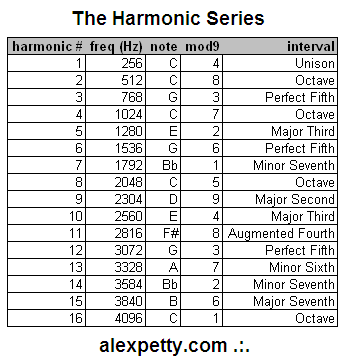
The same sequence can be placed along the northwest diagonal beginning from the center.
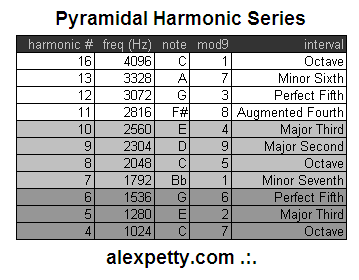
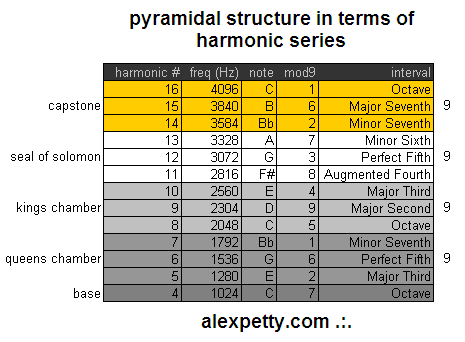
At the apex the mod-9 values 2, 6, and 1 combine to produce 9.
The levels below that point produce other mod-9 sums that appear to correspond to structural layers of the pyramid.
Possible field relationships
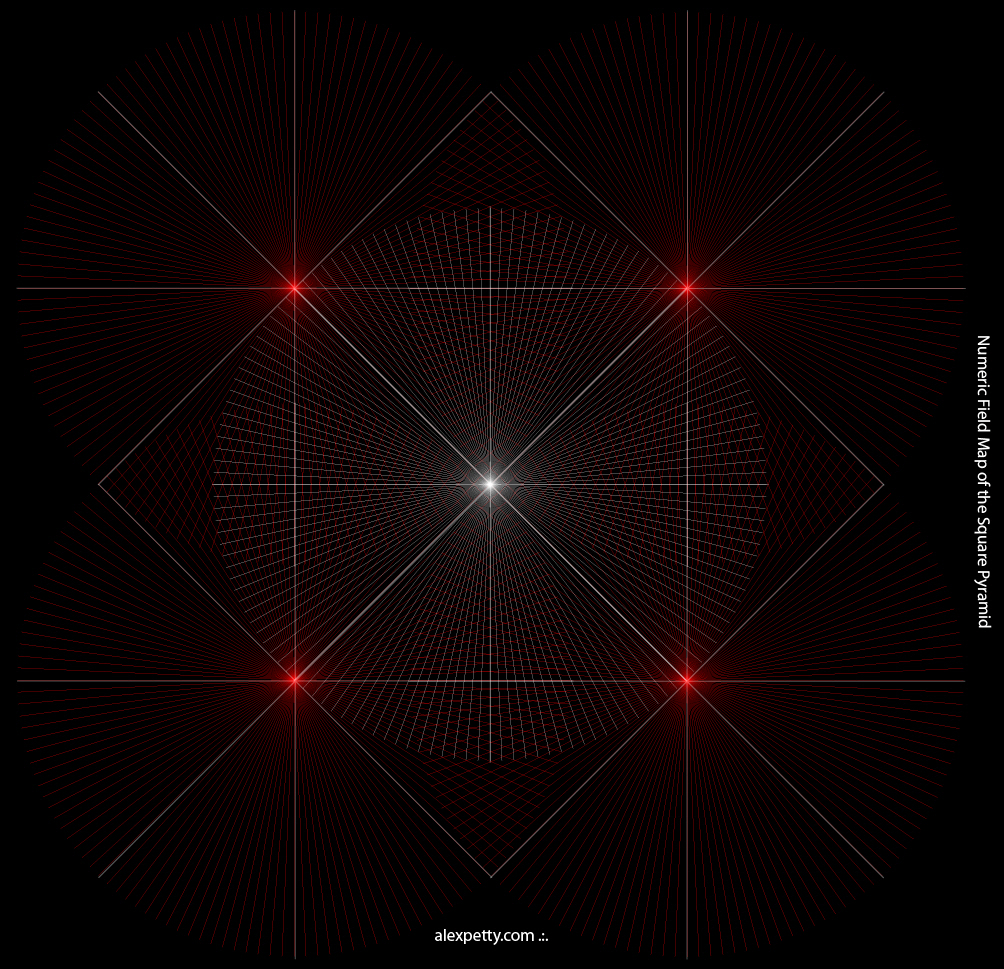
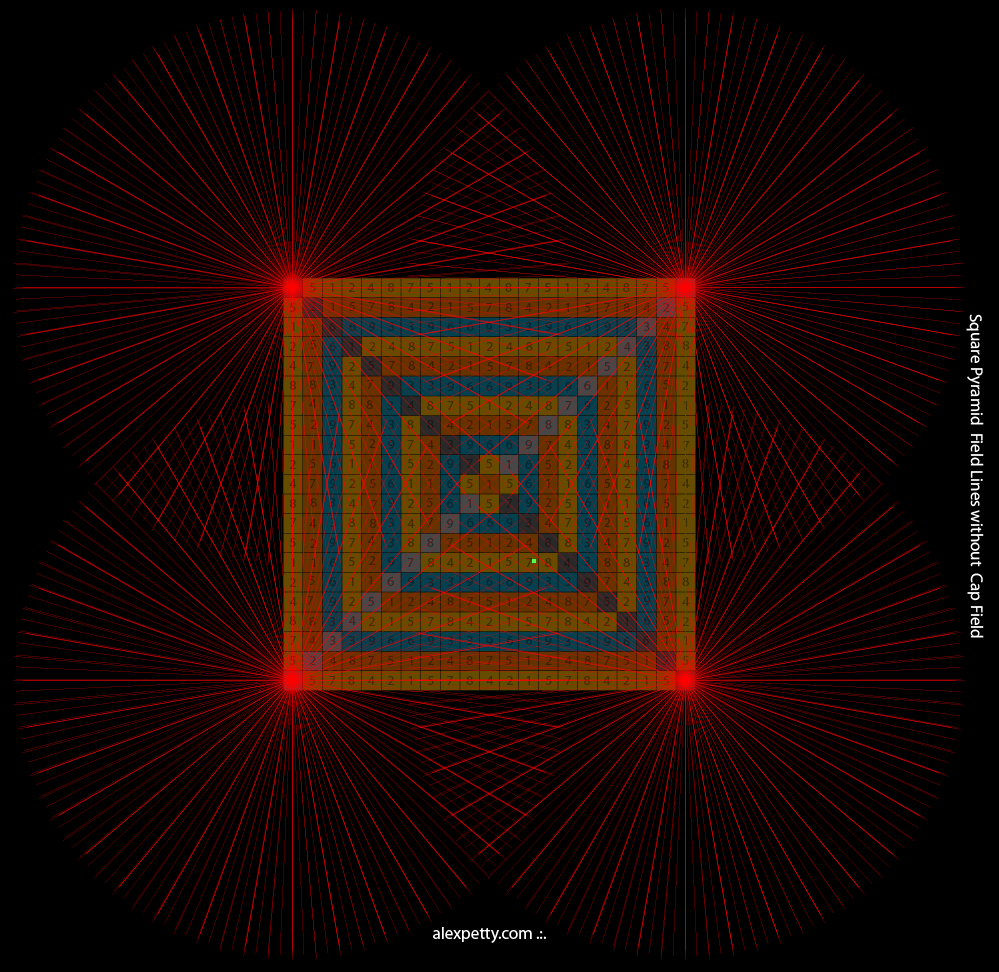
The diagram below shows one way field behavior might correspond to the numerical layout.
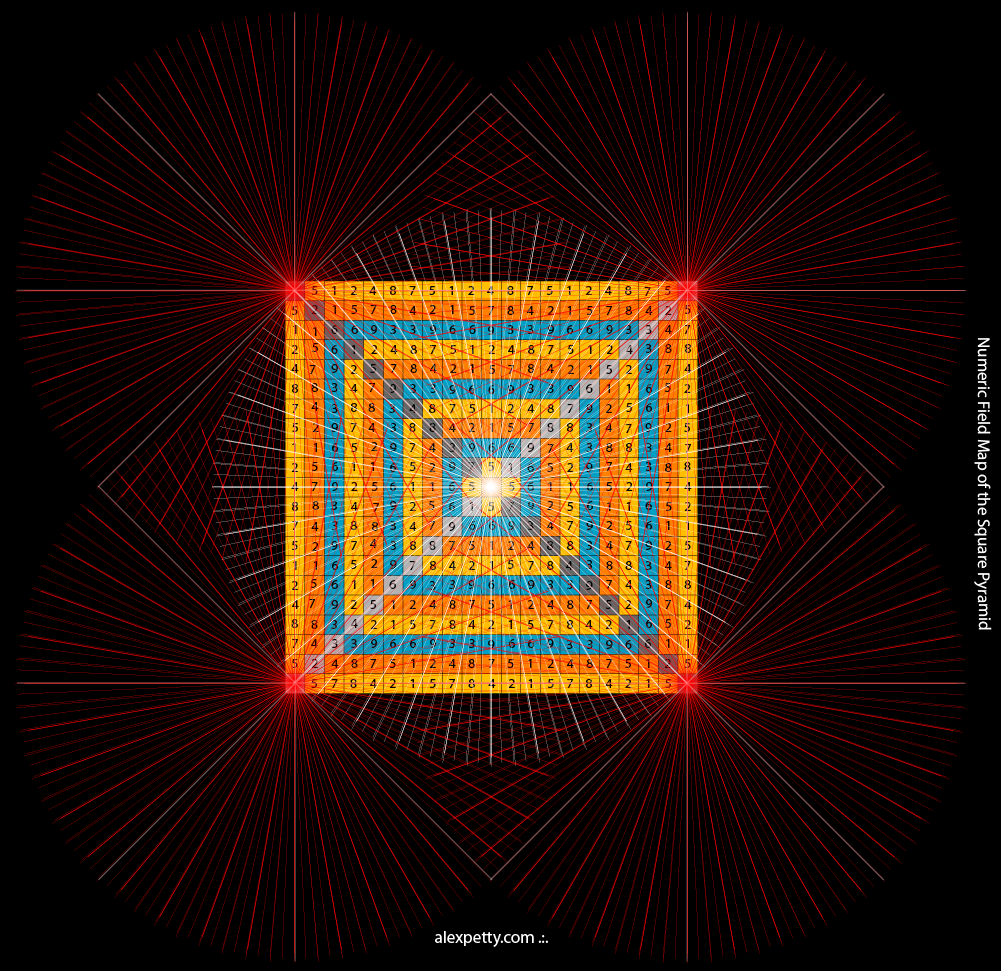
The same structure can also be viewed without the number map.
And here is a view excluding the cap field.
Pyramid dimensions and astronomical cycles
There is a curious numerical relationship associated with the Great Pyramid at Giza.
The base perimeter of the Pyramid of Cheops measures 36,524.24 inches.
This closely corresponds to 364.24 days, a value near the number of days in a solar year.
If one adds the diagonals of the pyramid’s base, the sum is approximately 25,827 inches, which is close to the number of years in the precession of the equinox.
Whether intentional or coincidental, these correspondences have attracted attention for many years.
Additional geometric analysis
Further diagrams explore possible field structures within the pyramid.
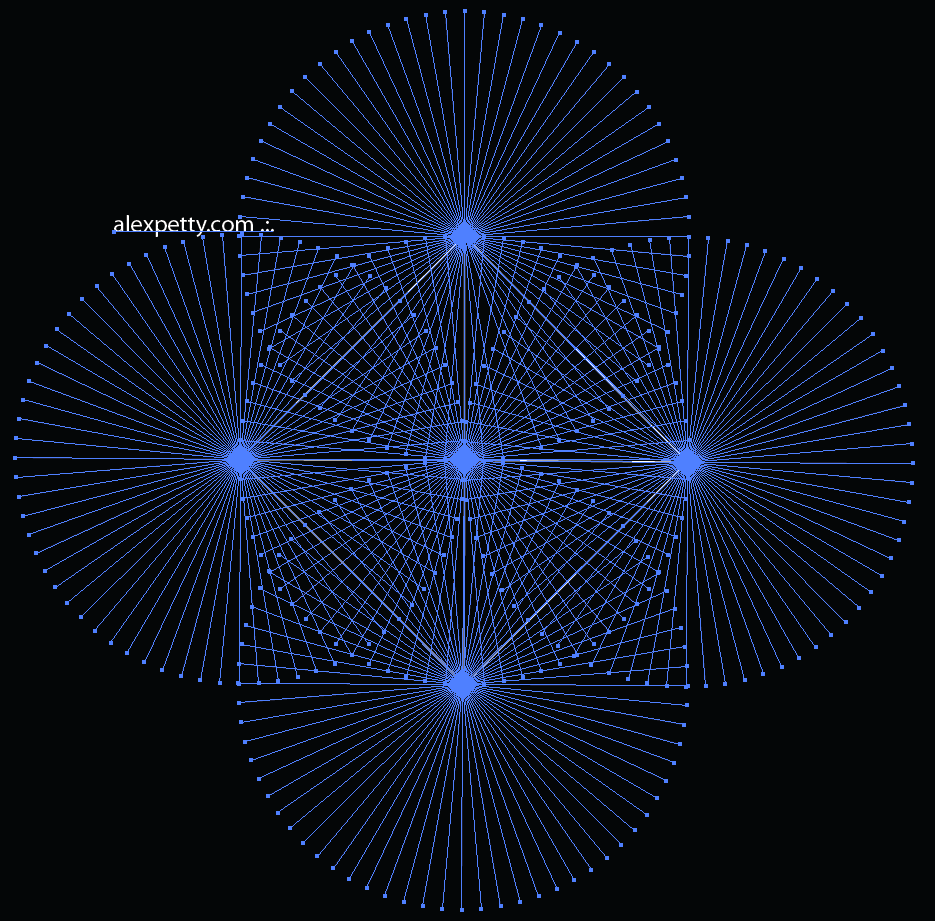
In this arrangement one can observe four overlapping Vesica Pisces shapes.
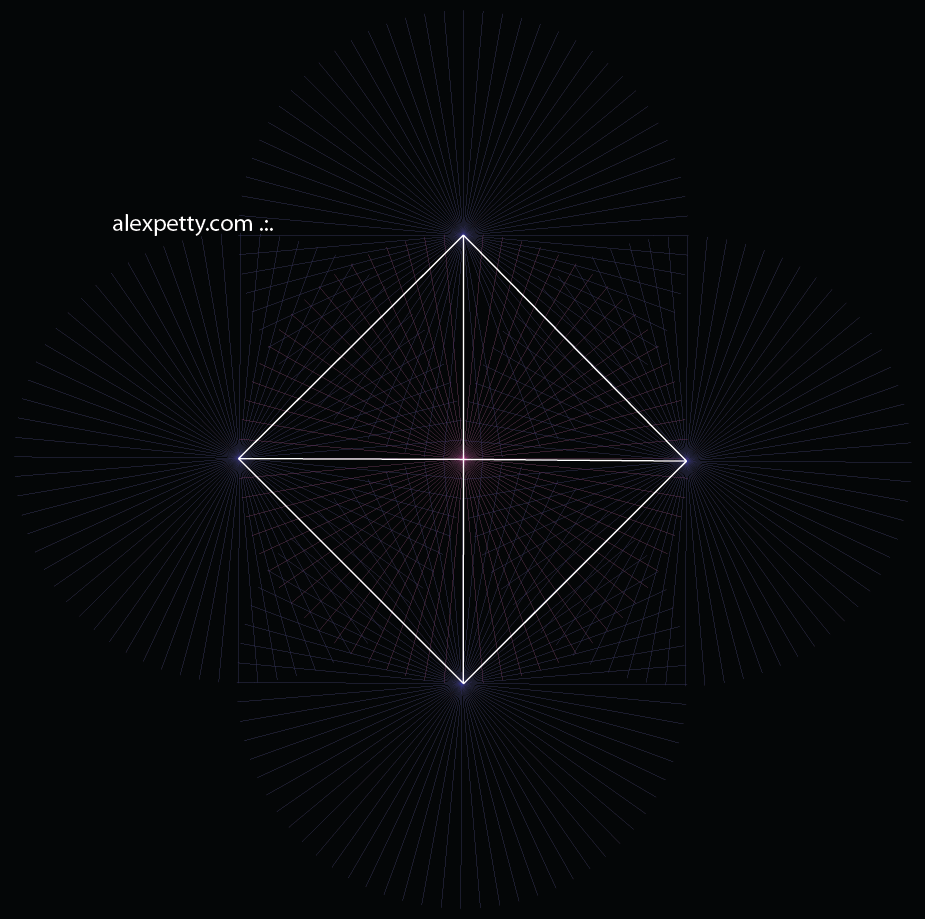
Overlay comparison
The same field geometry can be overlaid on decorative artwork found in the Grand Masonic Lodge in Philadelphia.
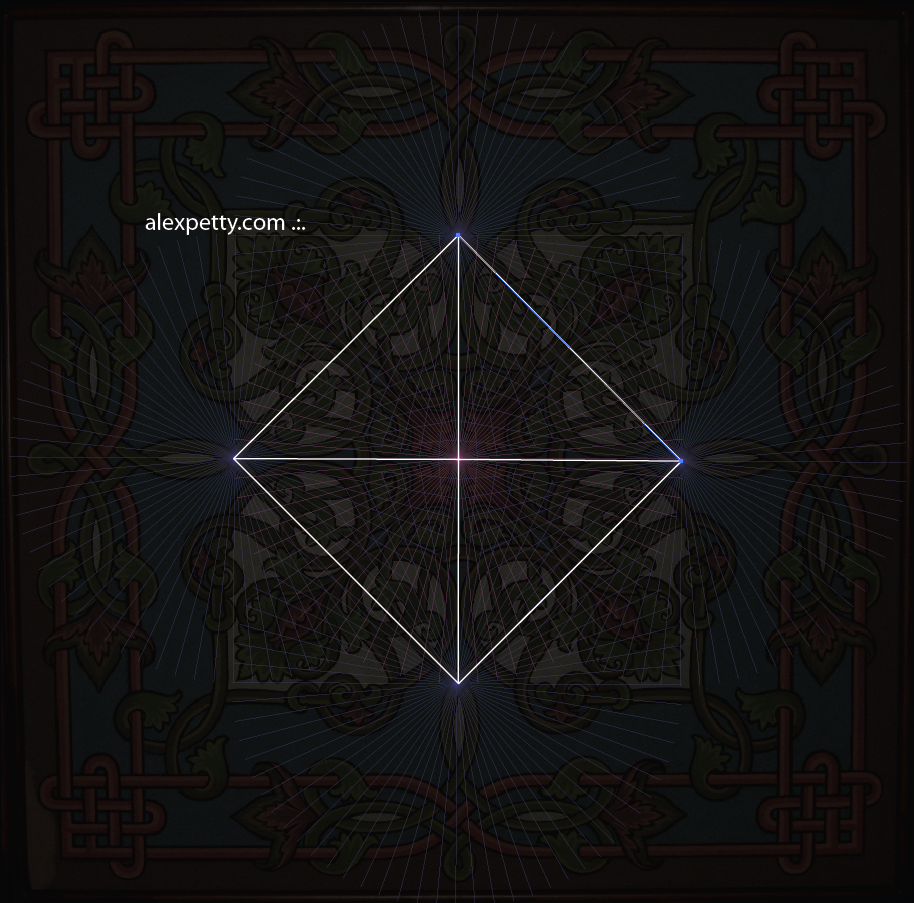
Several intersections of the field lines align with features of the floral pattern.
An alternate view shows the alignment more clearly.
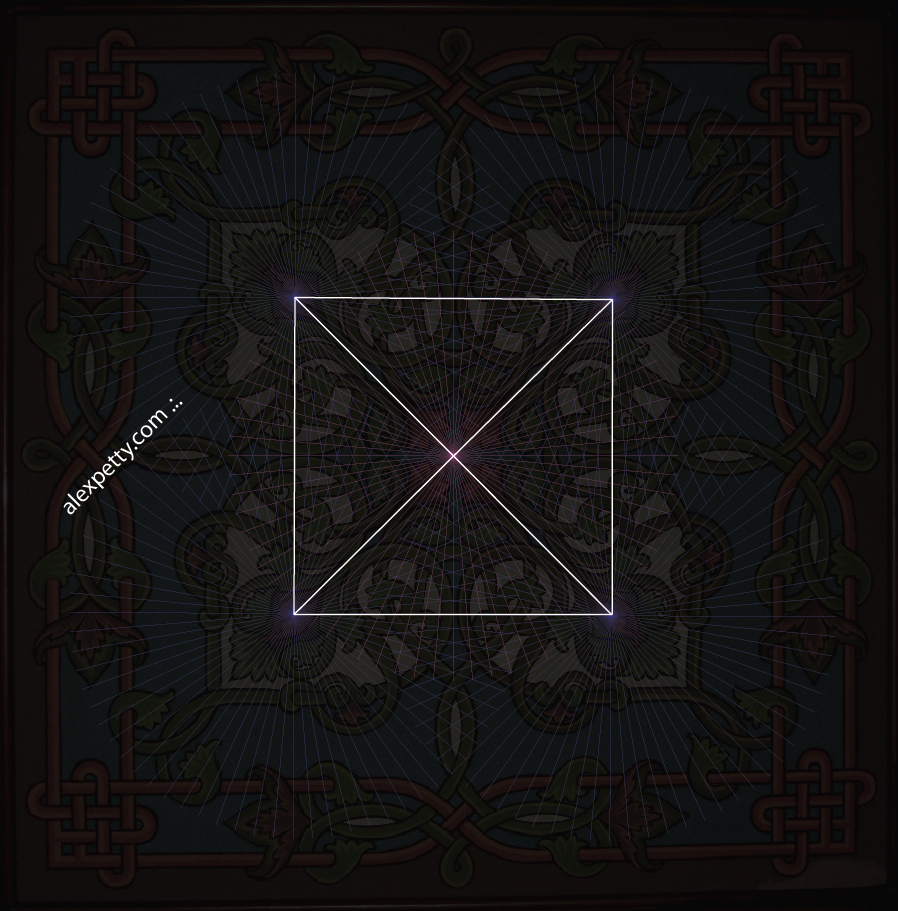
Adjusting the scale produces another interesting comparison.
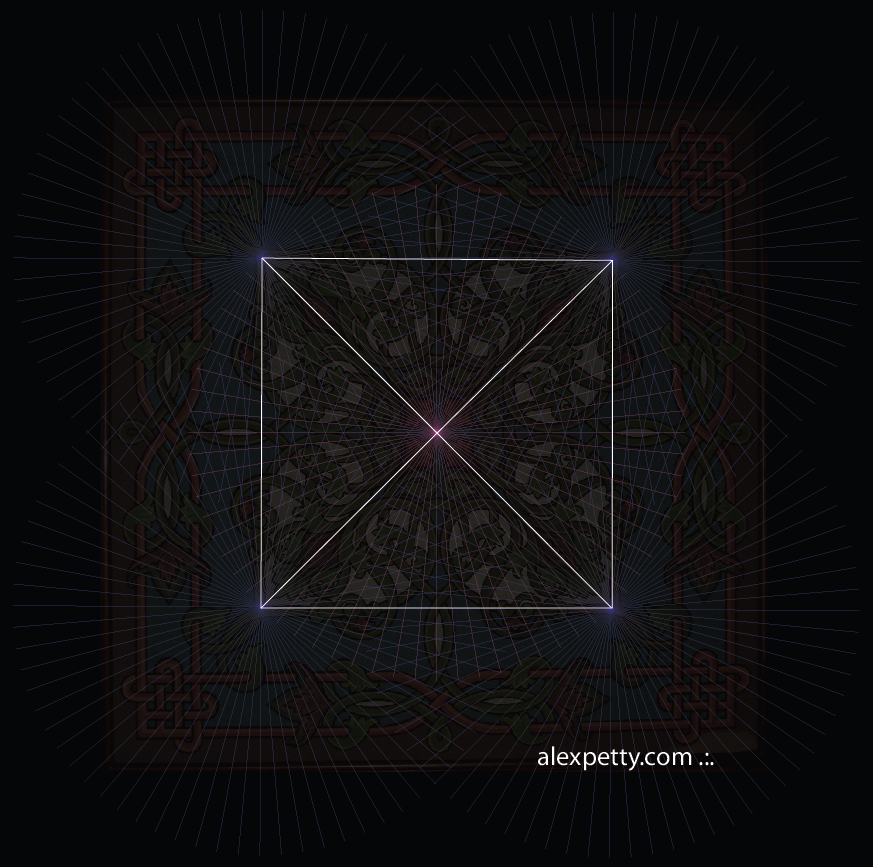
Field lines alone
For reference, here are the field lines without the overlay.

These diagrams are exploratory.
They show how number patterns, geometry, and harmonic relationships can sometimes appear together when mapped onto simple forms such as the pyramid.
.:.