The Periodic Table of Light
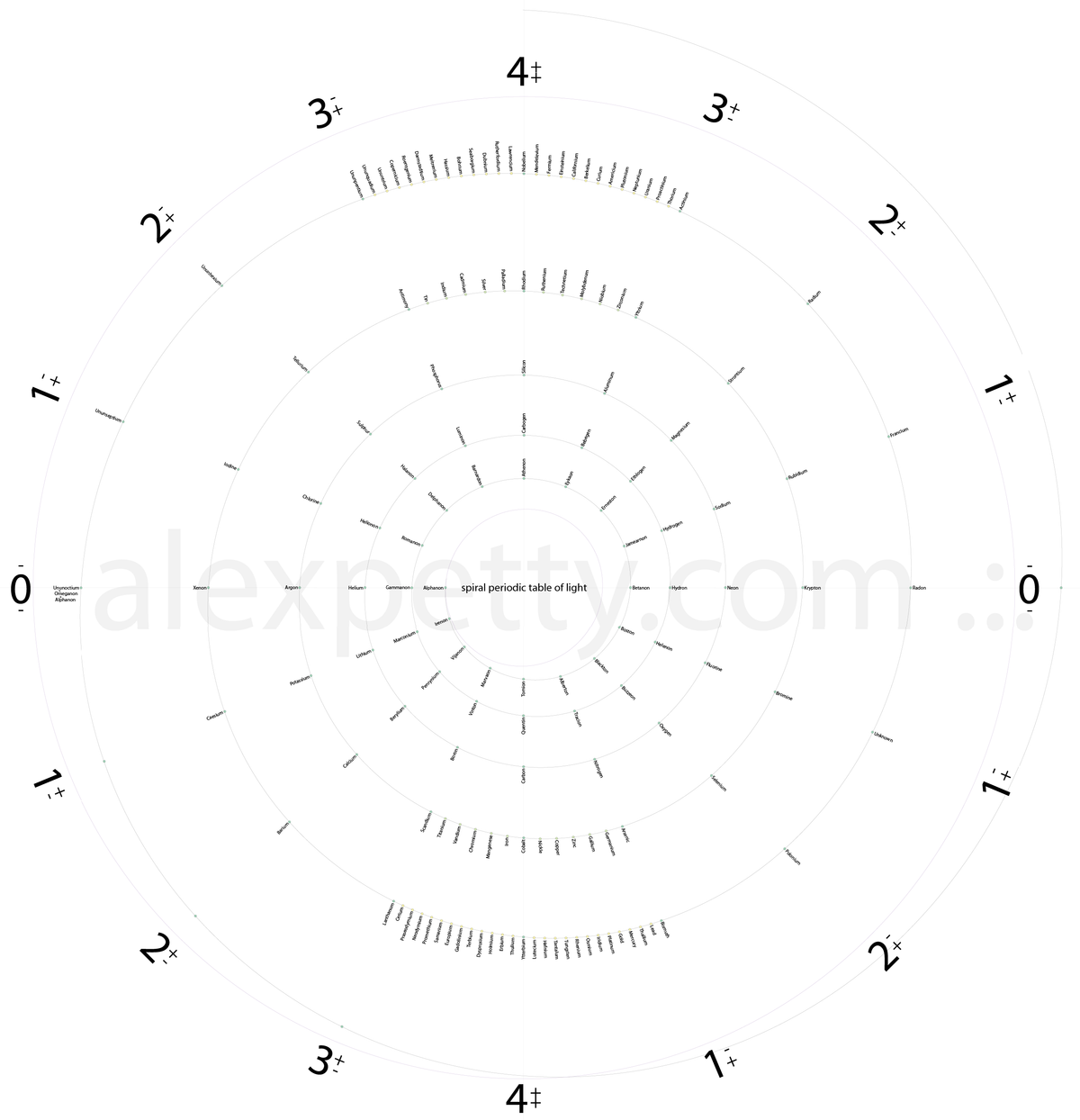
Is the periodicity of the elements a function of the periodicity of the octave?
Is matter better understood as a manifestation of very high-frequency light harmonics?
To approach this question, let us first consider a listing of all the known elements that make up the physical universe.
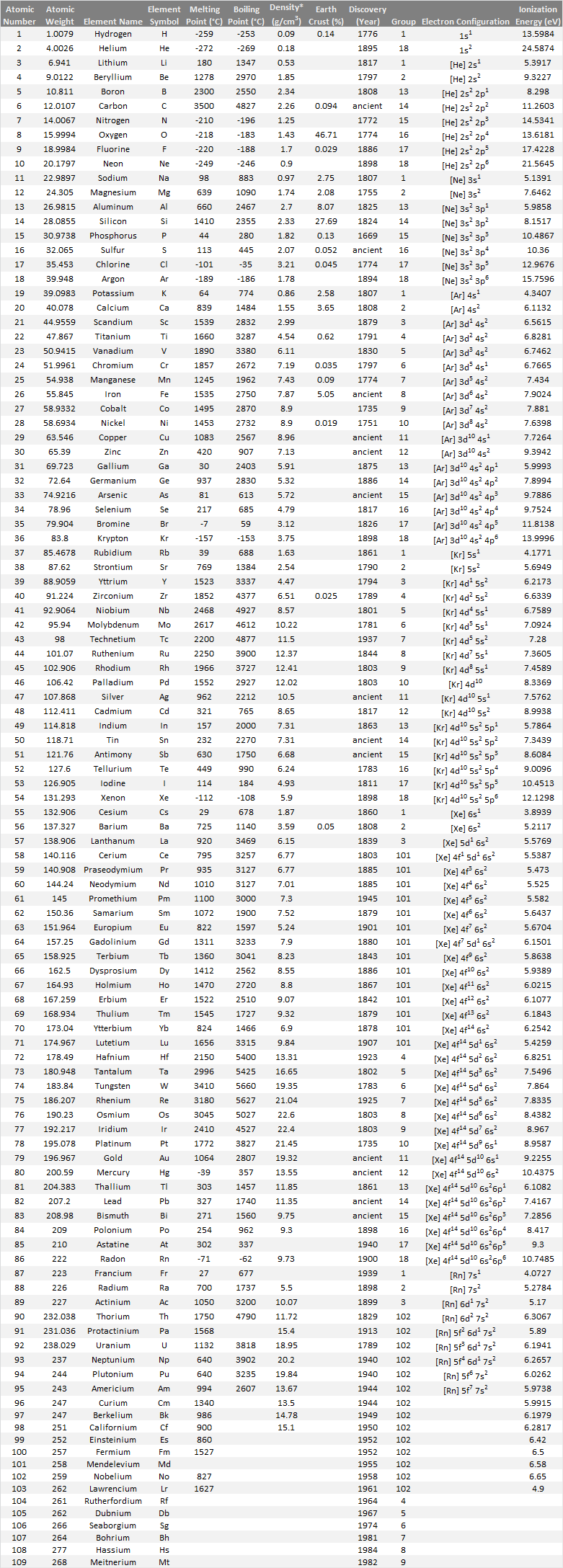
In 1871 Mendeleev organized these elements into a table now well known as the Periodic Table of the Elements.
Mendeleev’s first published version of this table is shown below.
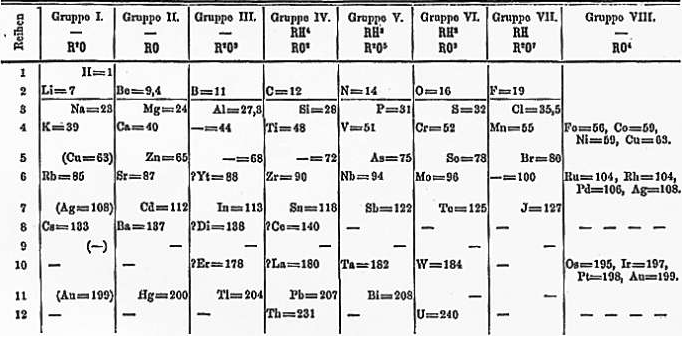
He discerned the periodicity of the elements as being a function of their increasing atomic weight.
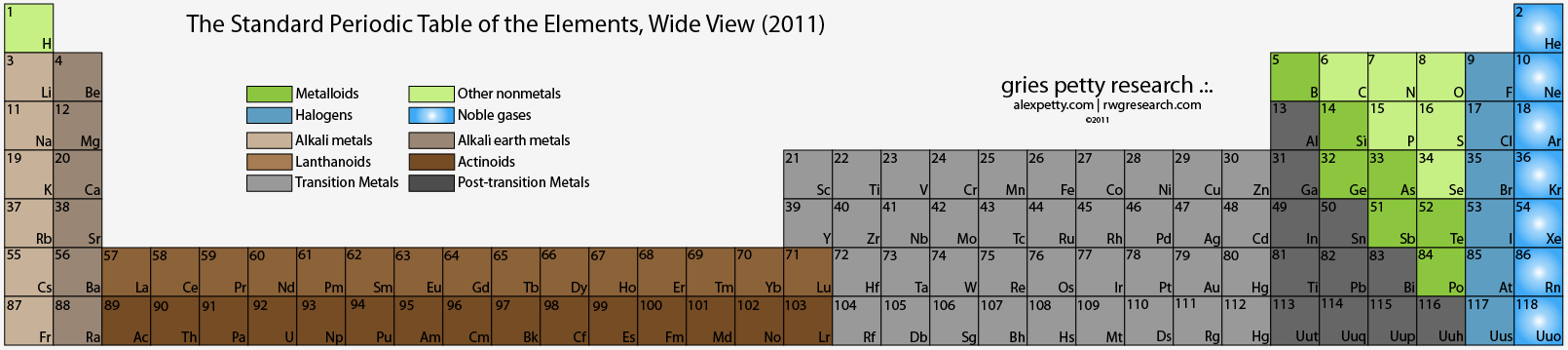
The modern periodic table is arranged as follows:
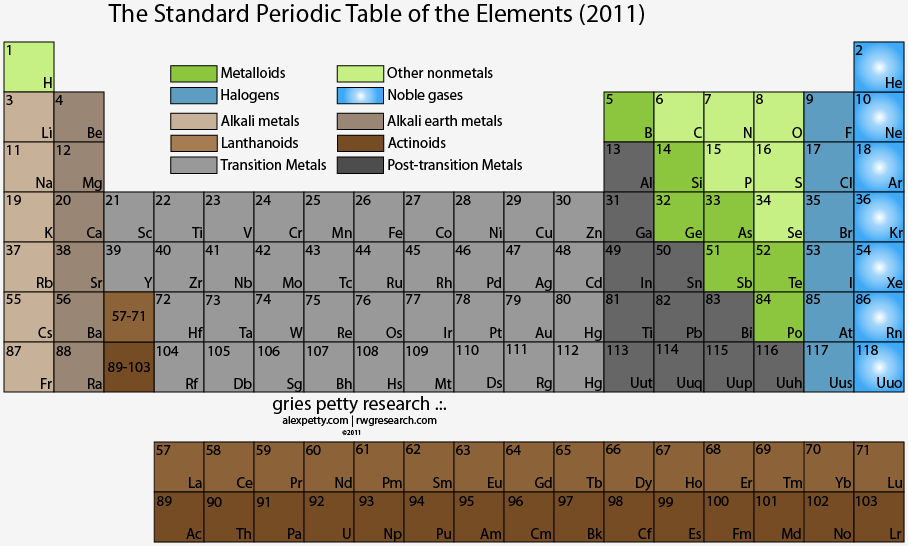
The standard periodic table is rectangular with counter-intuitive gaps occurring within the horizontal rows (called periods) to keep elements with similar properties grouped together in vertical columns (called groups), such as:
- Alkali metals
- Alkaline earth metals
- Halogens
- Noble gases
A wide, expanded view of the standard periodic table is shown below.
Elements of Mind and Light
Every structure in nature begins as a pattern in a field.
What we call matter appears when that field organizes itself into stable relationships. Distinction arises. Boundaries form. A universe of parts emerges from what was once undivided.
Energy is the capacity of that field to produce change. It is the means by which cause becomes effect.
At the most fundamental level we encounter energy as vibration.
Light is the simplest form of that vibration that we can study directly. It propagates through space as oscillation. It carries momentum, energy, and information.
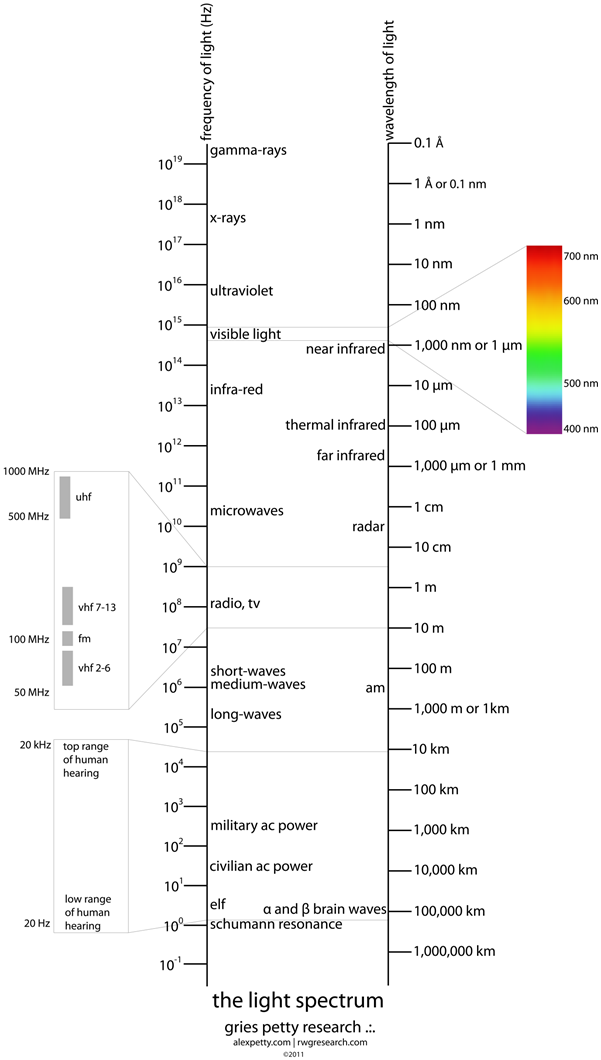
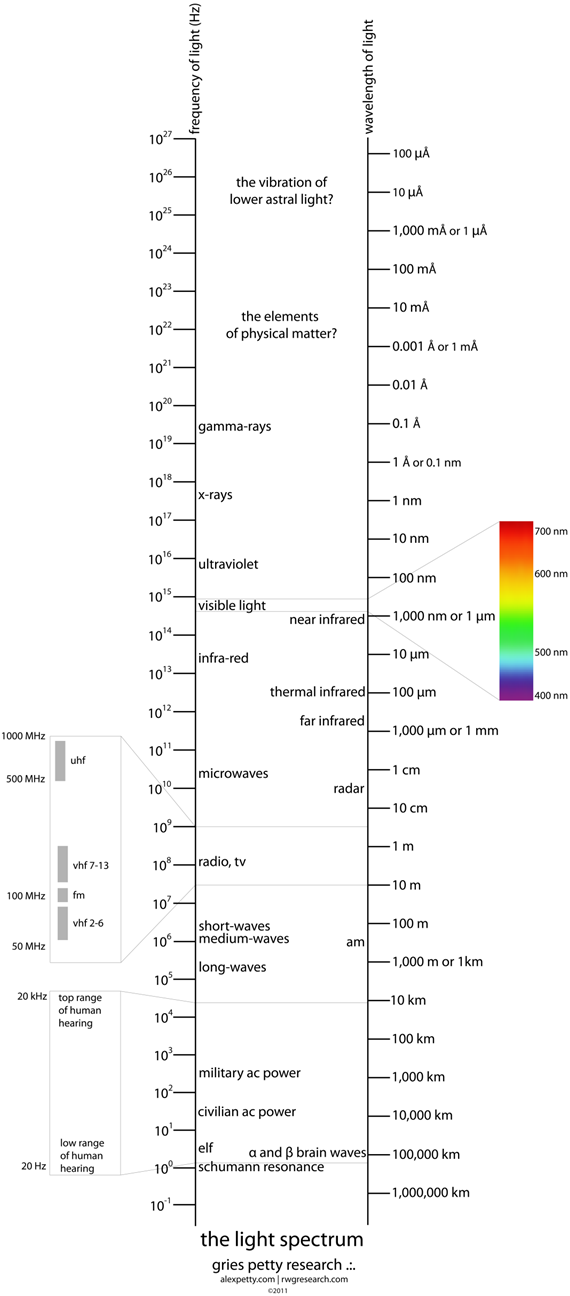
Our eyes detect only a narrow band of these oscillations. We call this visible light and interpret it as color.
Beyond this narrow band lie vast ranges of electromagnetic activity. Radio waves, microwaves, infrared, ultraviolet, X-rays, and gamma radiation all belong to the same continuum.
Each differs only in frequency and wavelength.
Some frequencies can damage biological tissue.
Some interact with the body in ways that can heal or regulate it.
Others pass through us entirely without notice.
Light therefore provides a window into the deeper structure of matter.
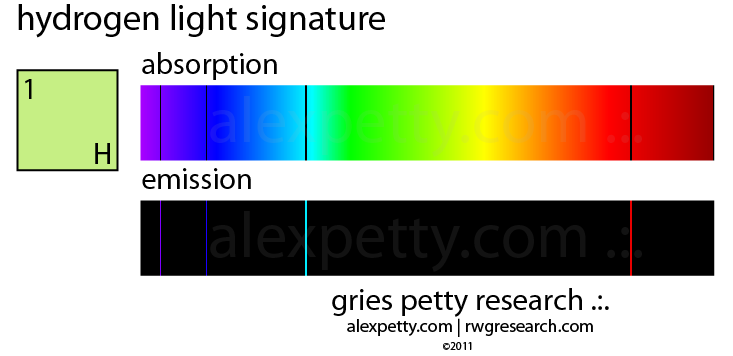
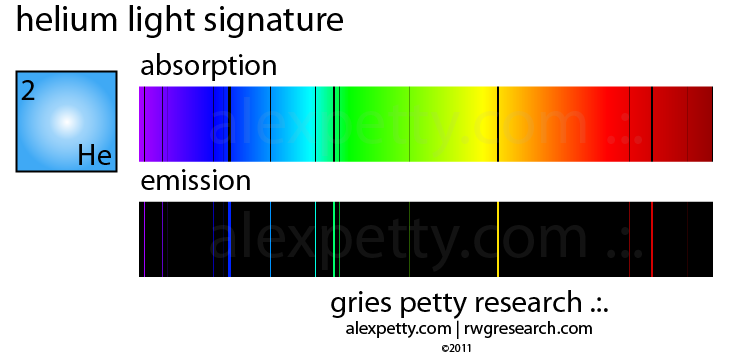
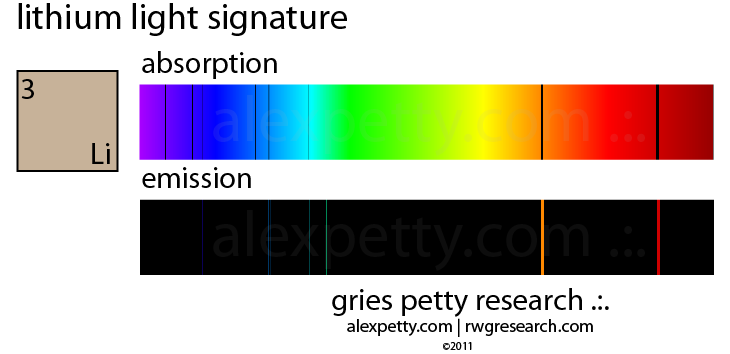
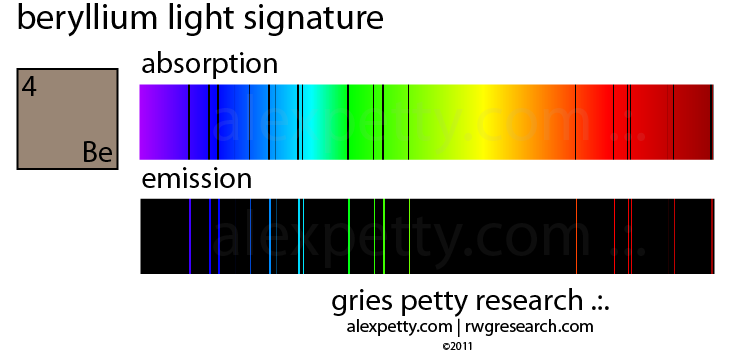
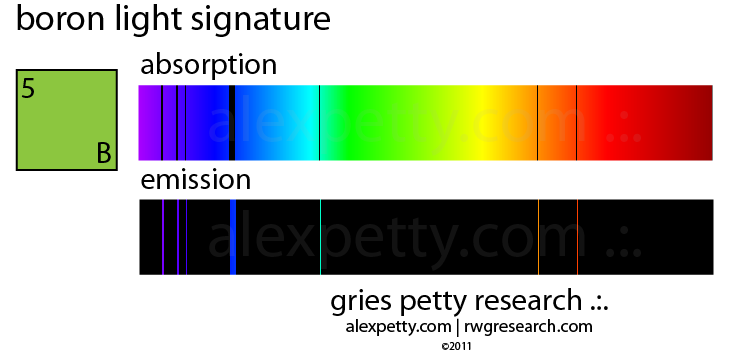
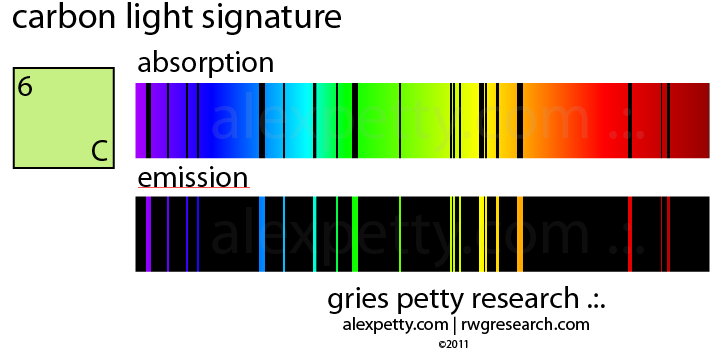
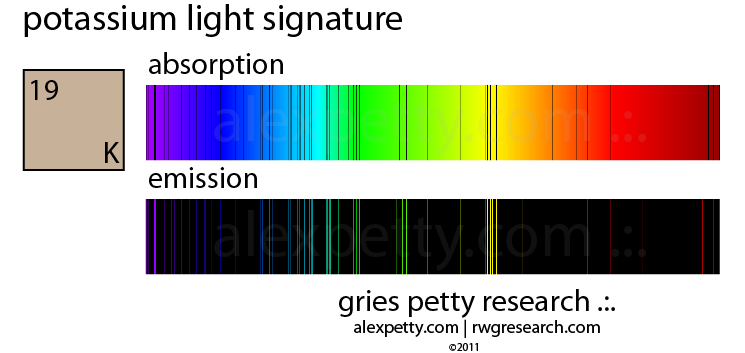
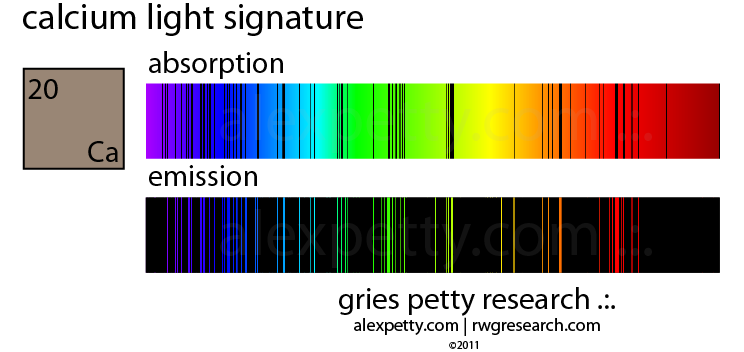
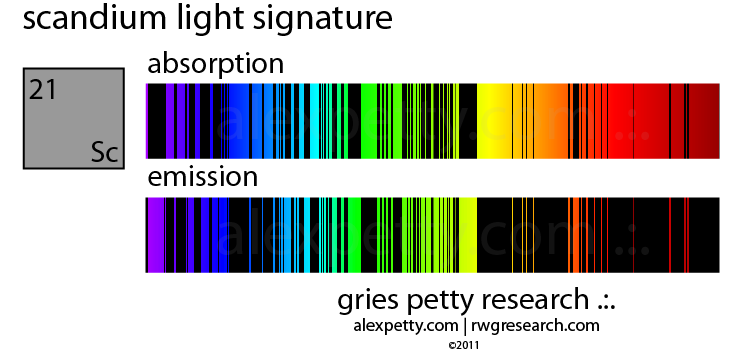
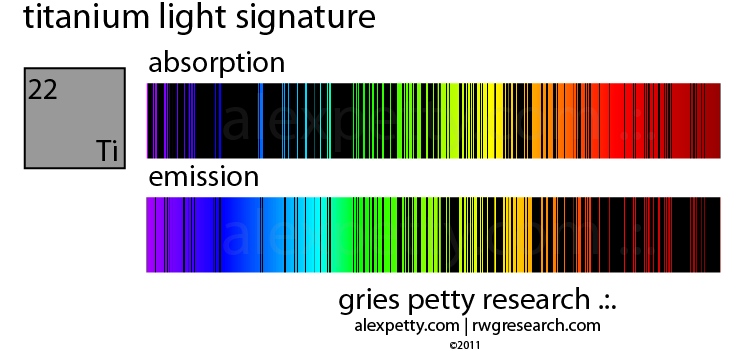
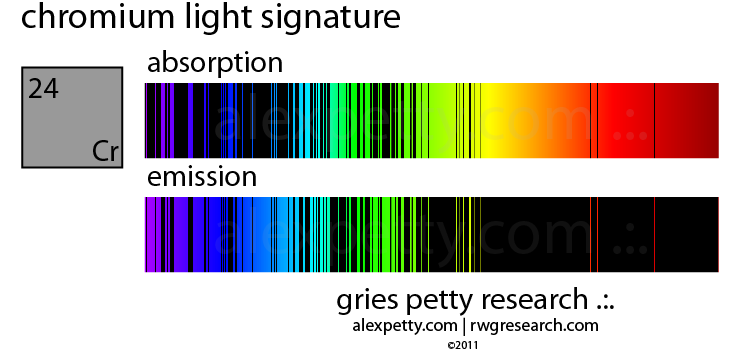
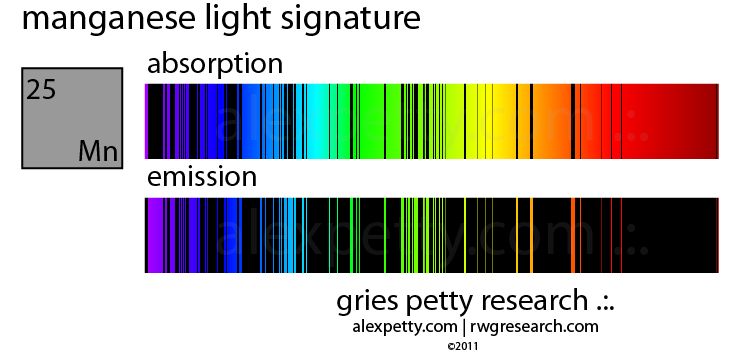
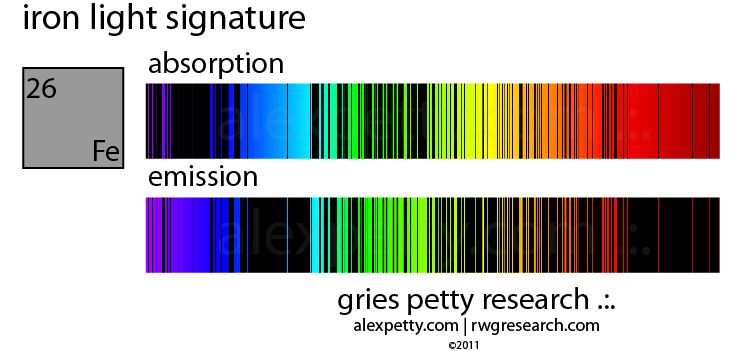
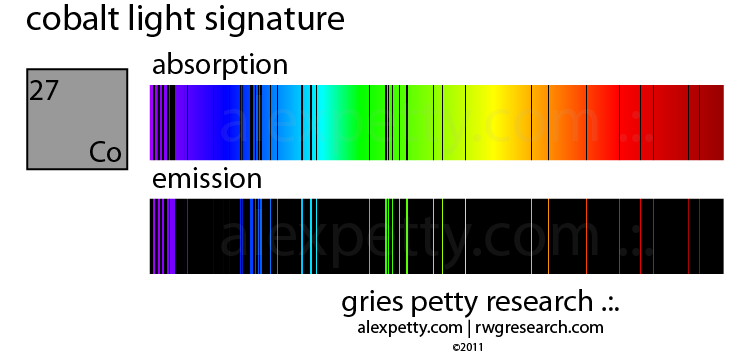
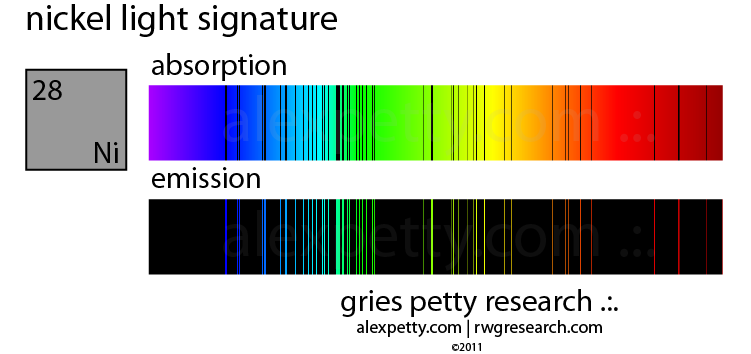
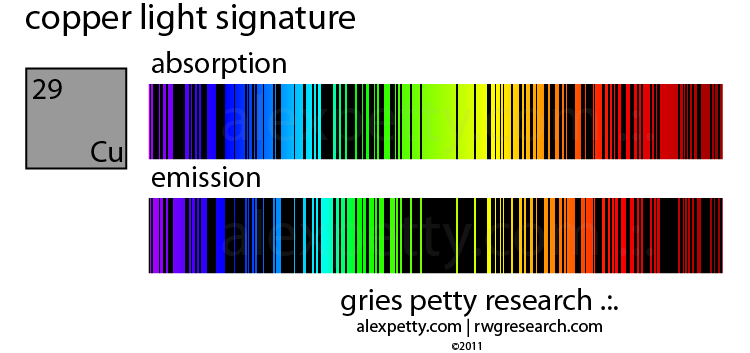
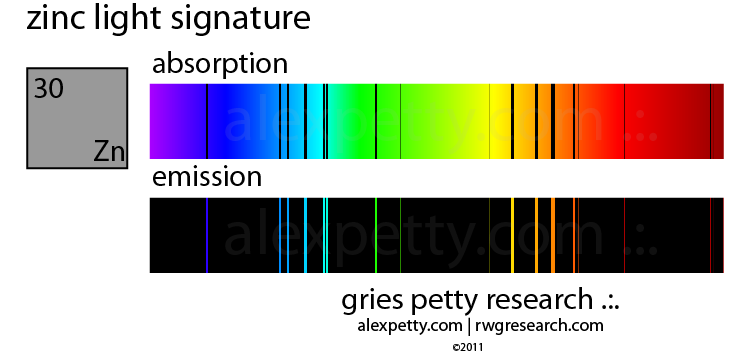
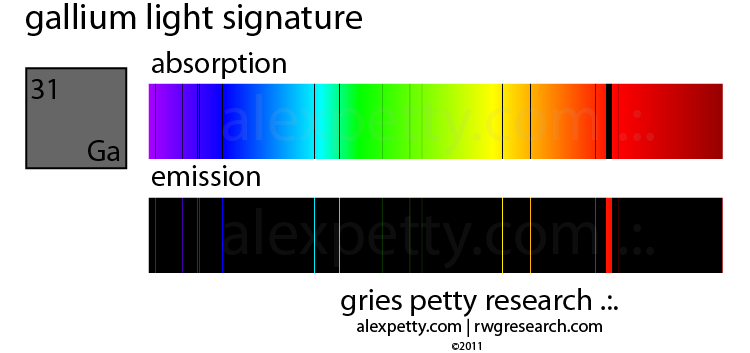
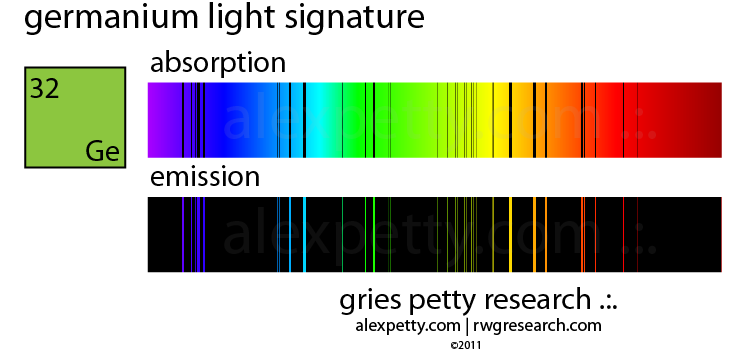
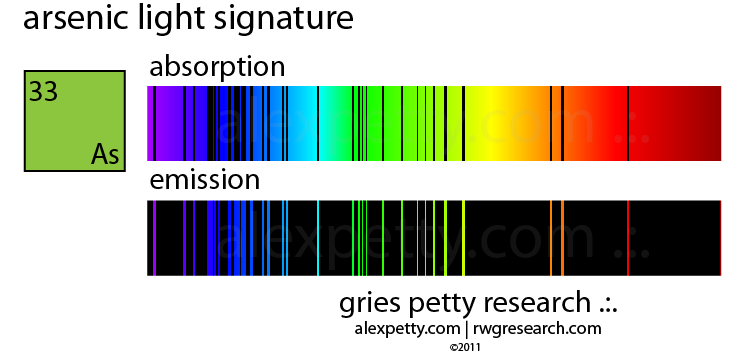
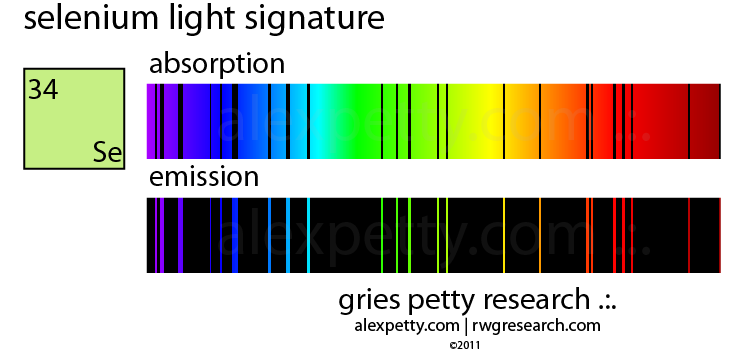
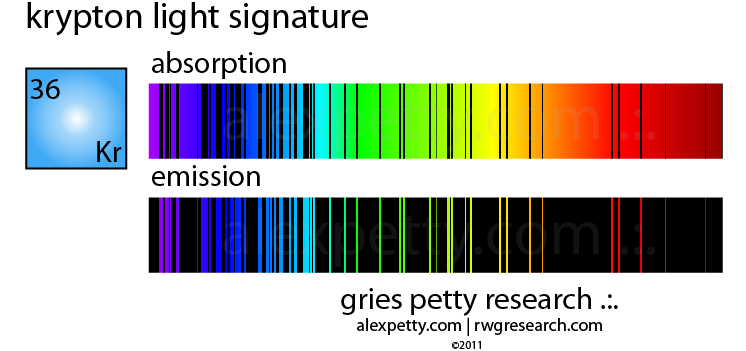
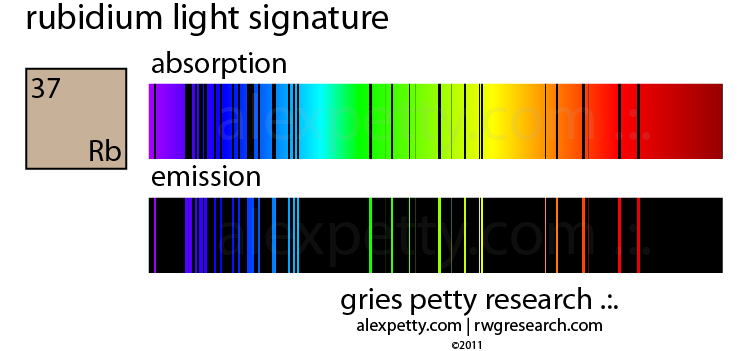
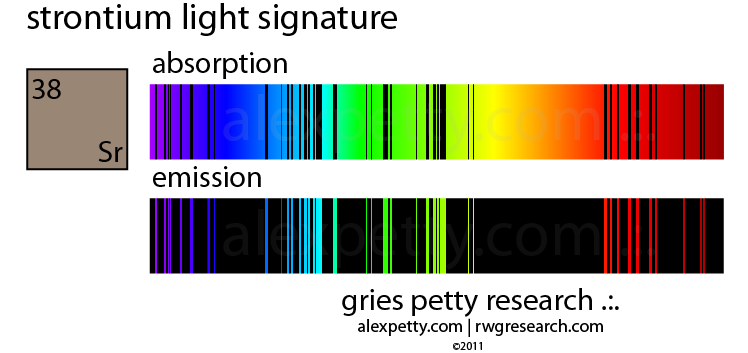
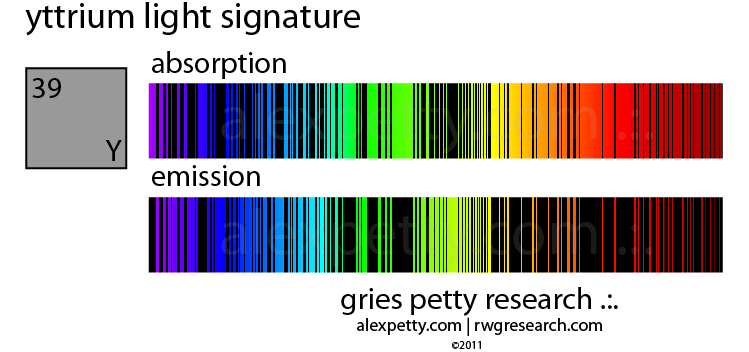
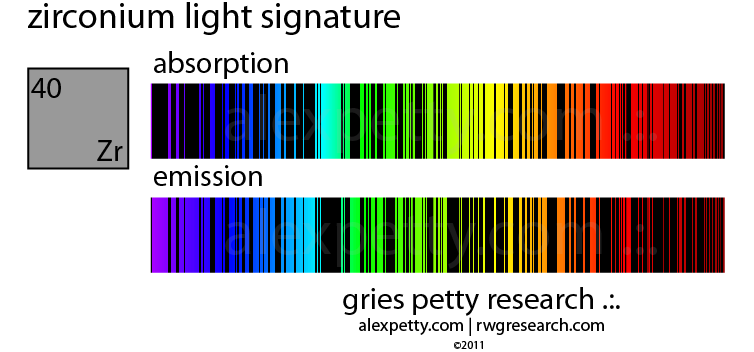
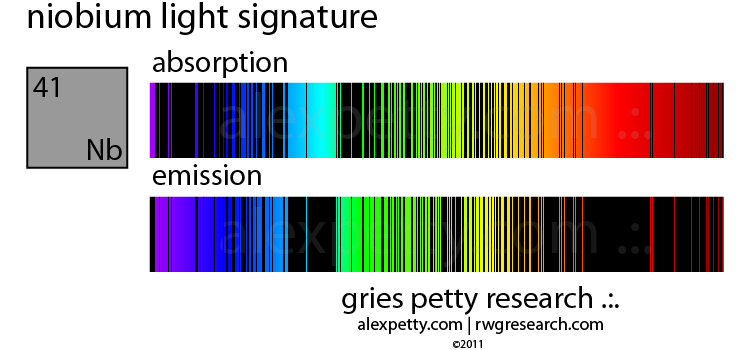
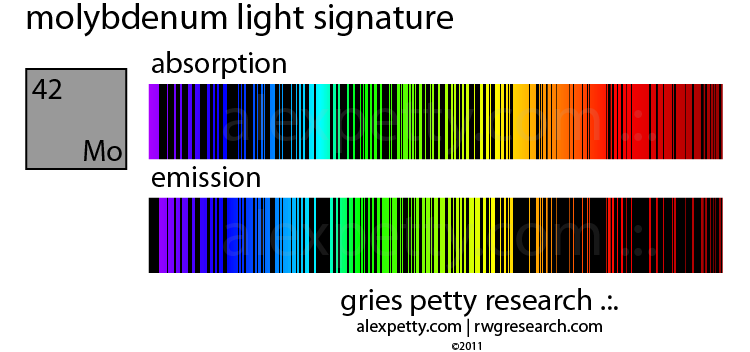
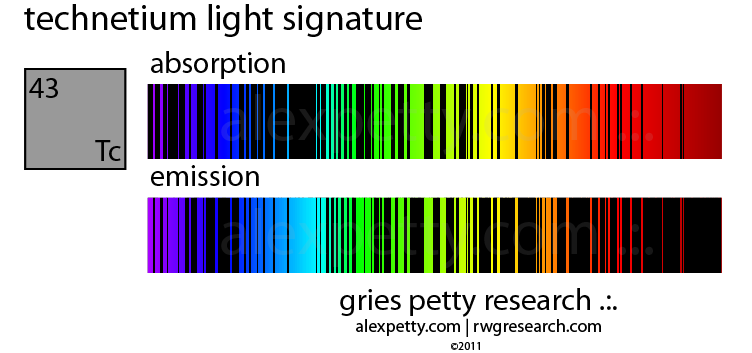
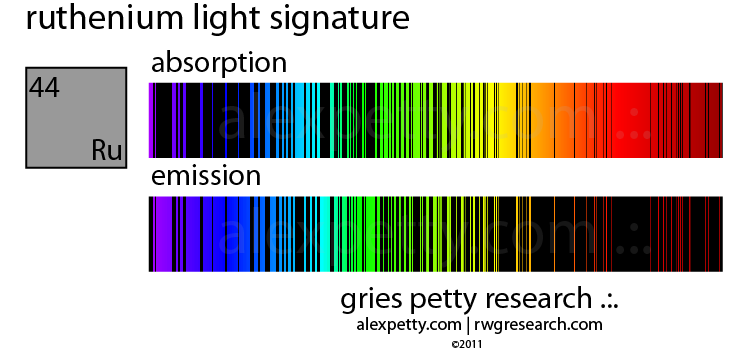
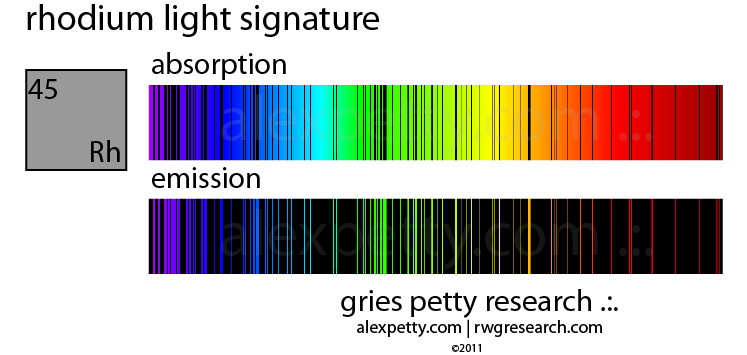
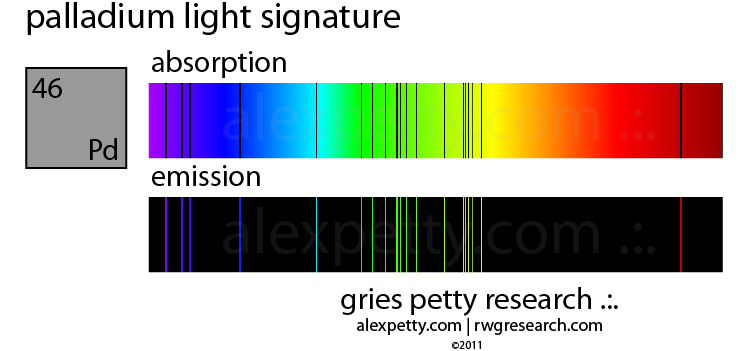
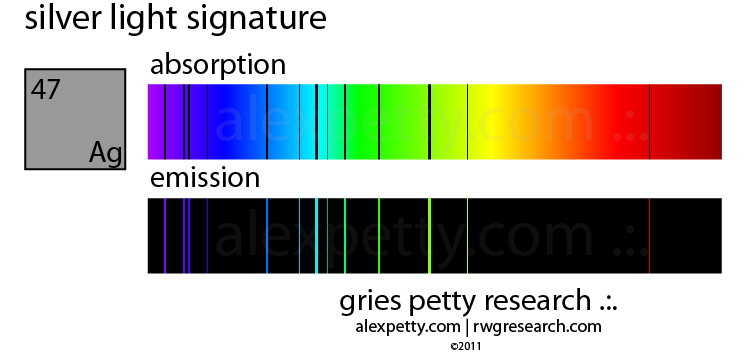
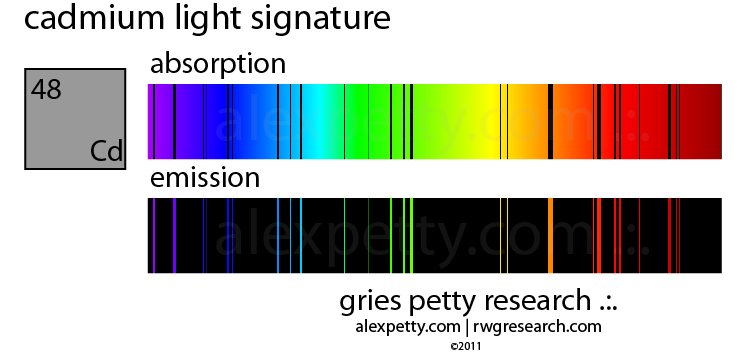
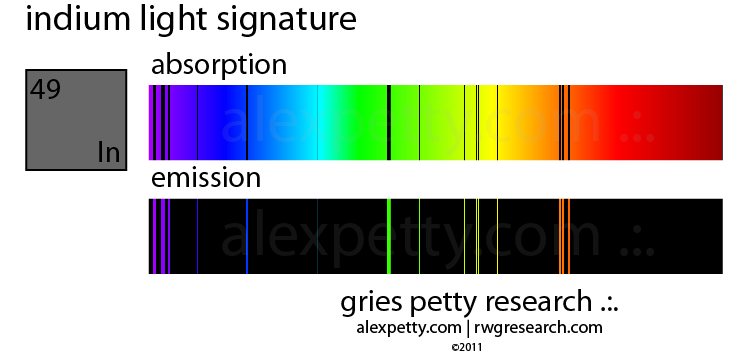
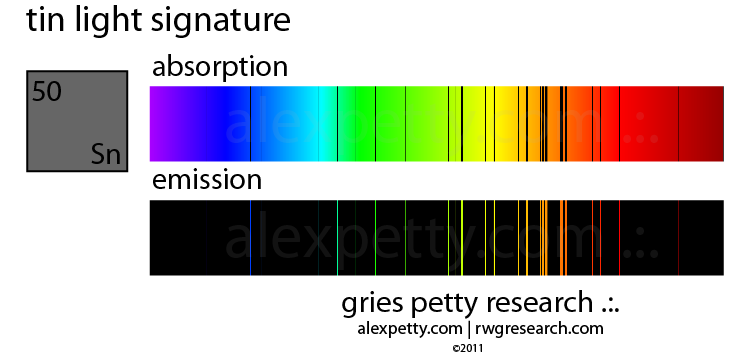
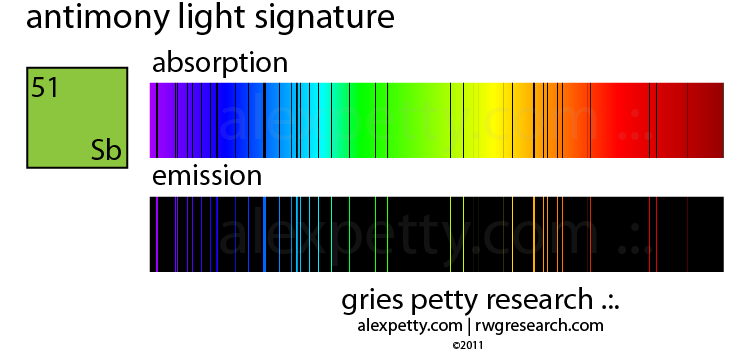
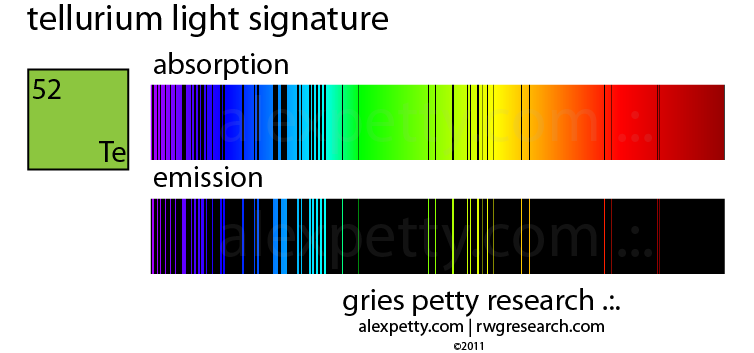
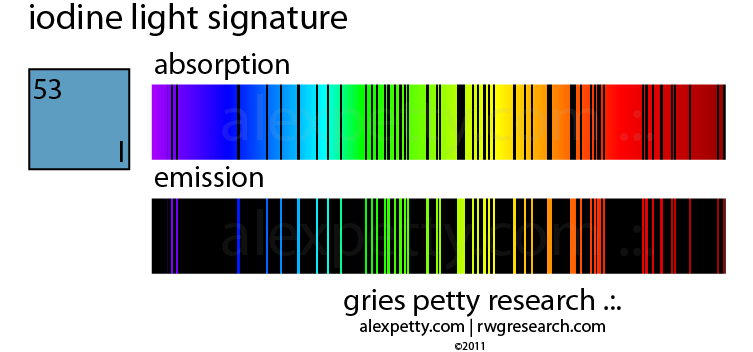
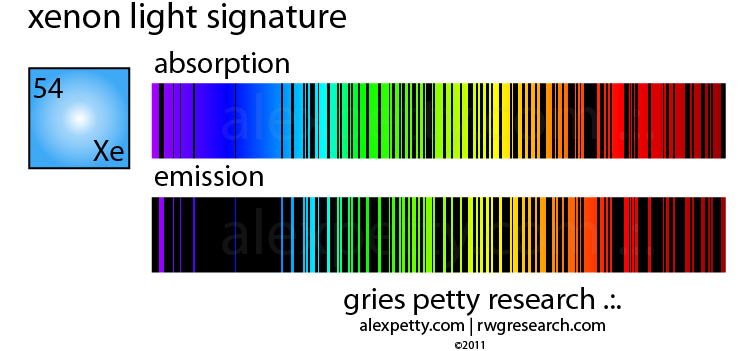
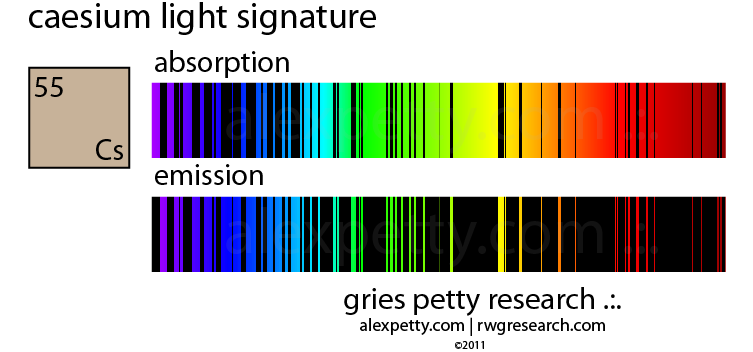
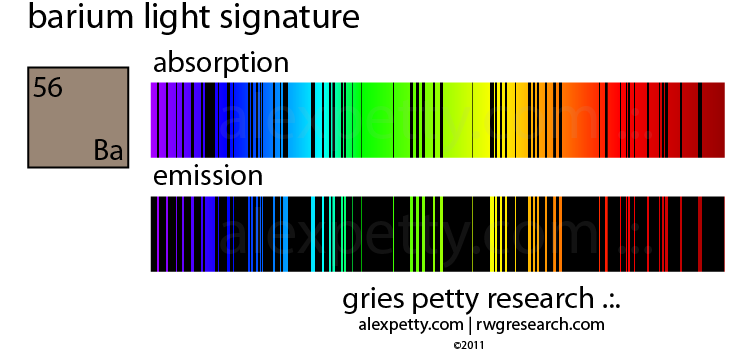
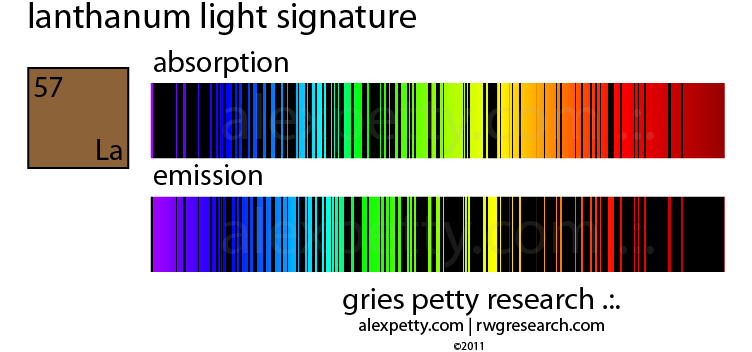
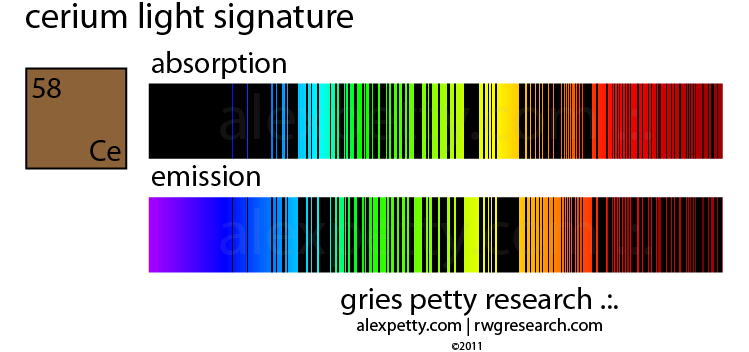
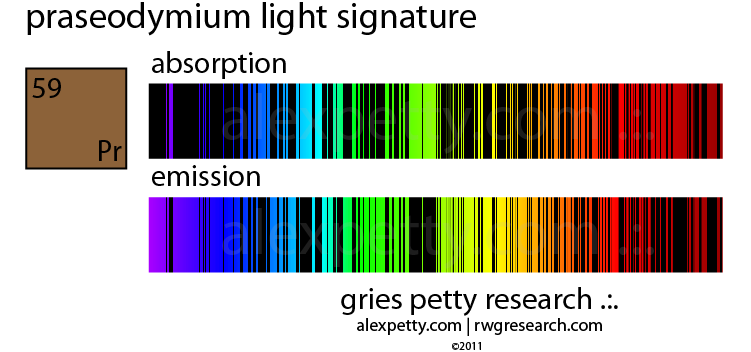
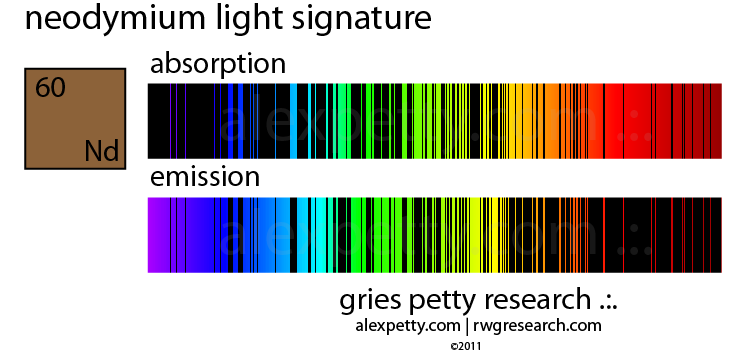
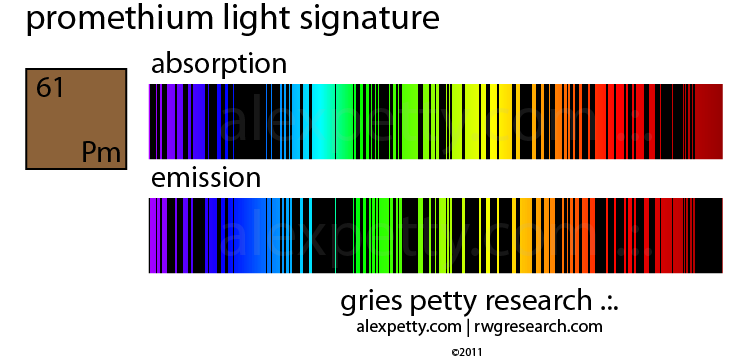
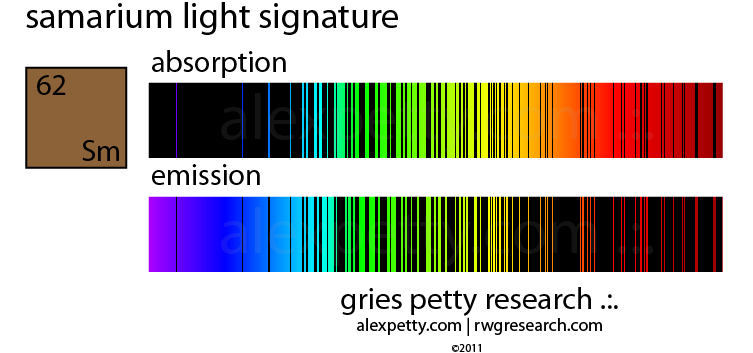
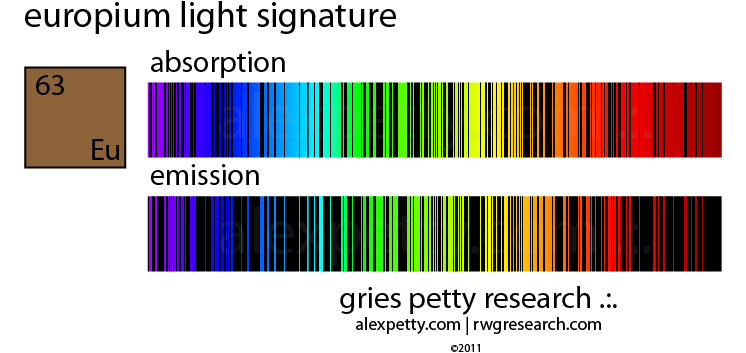
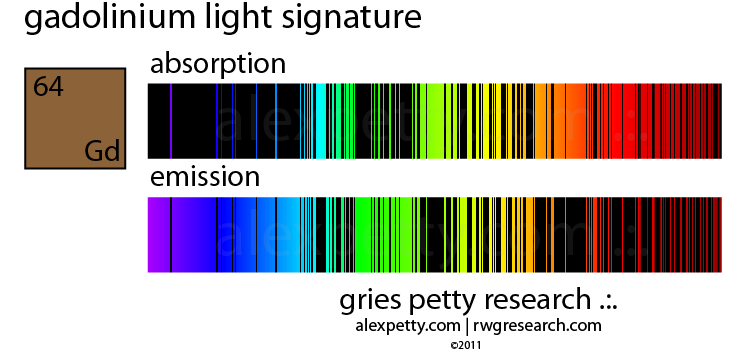
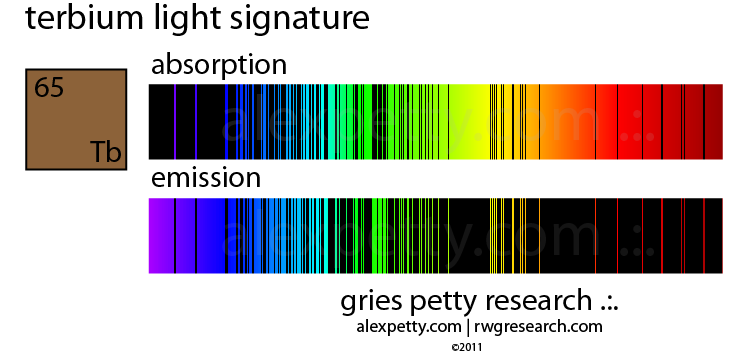
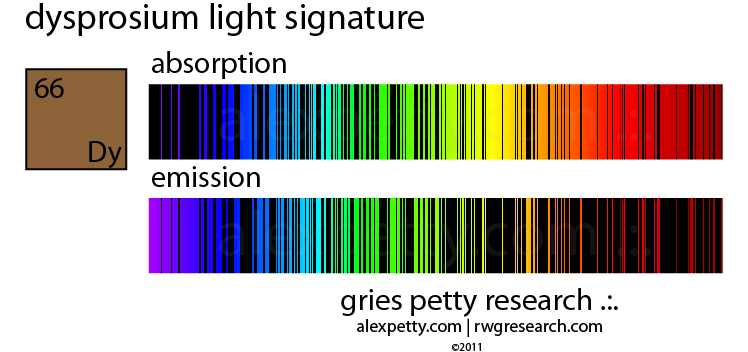
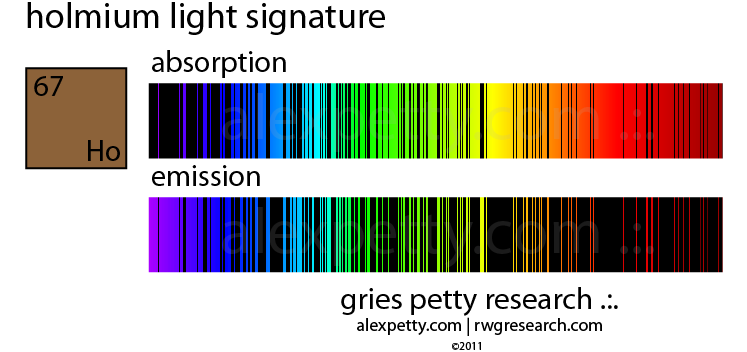
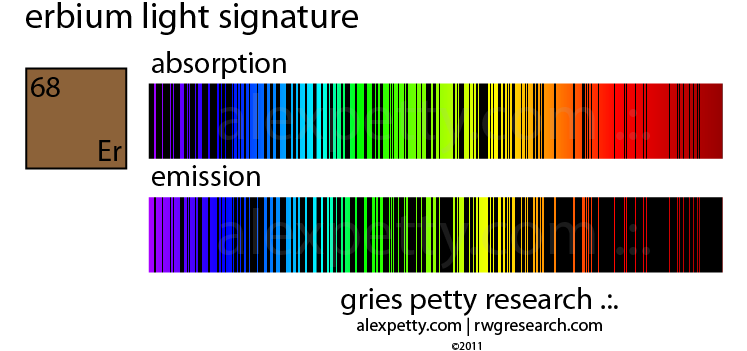
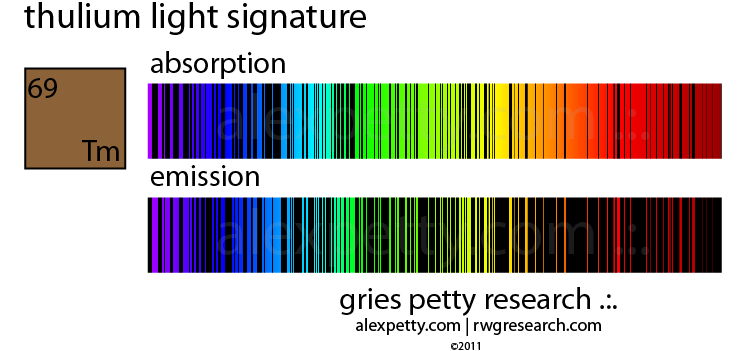
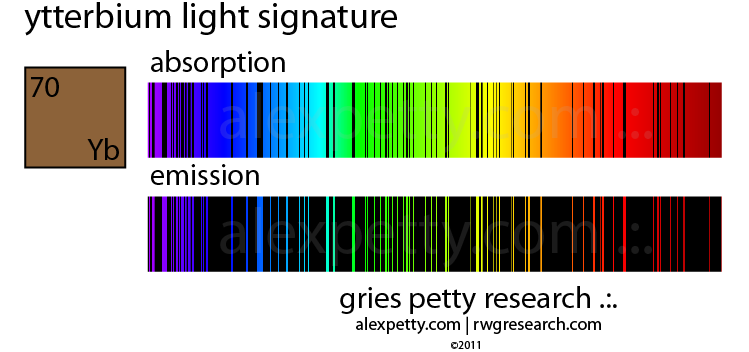
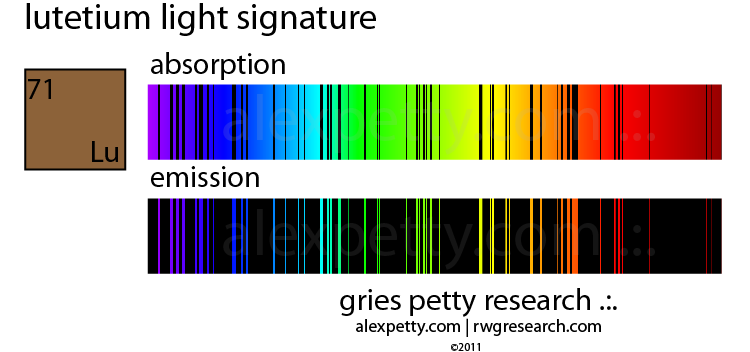
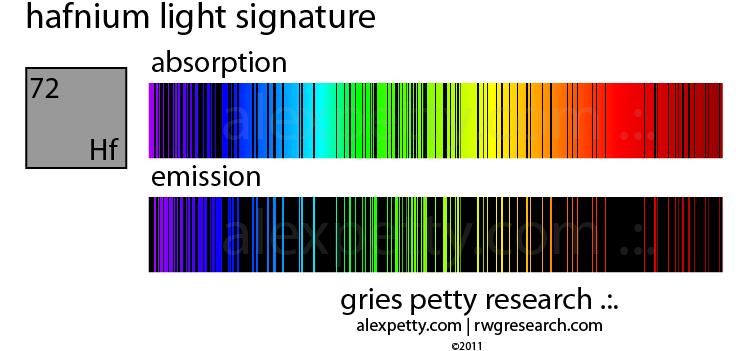
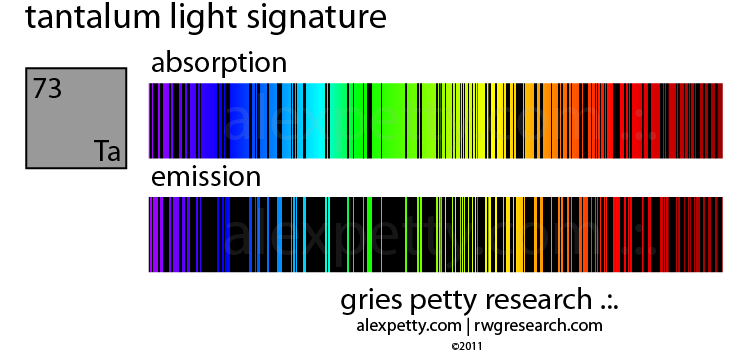
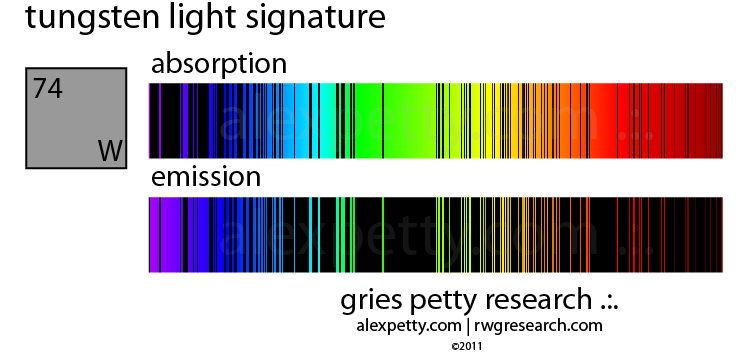
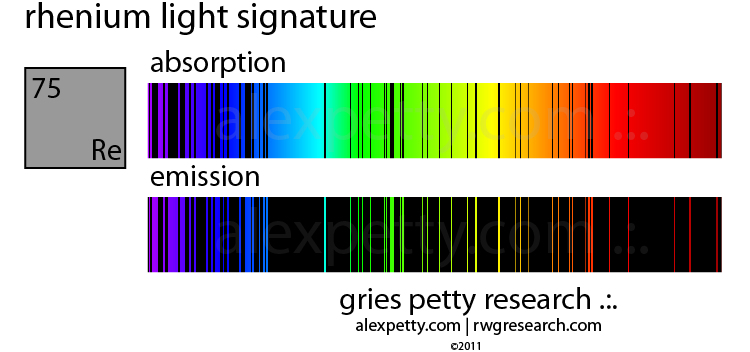
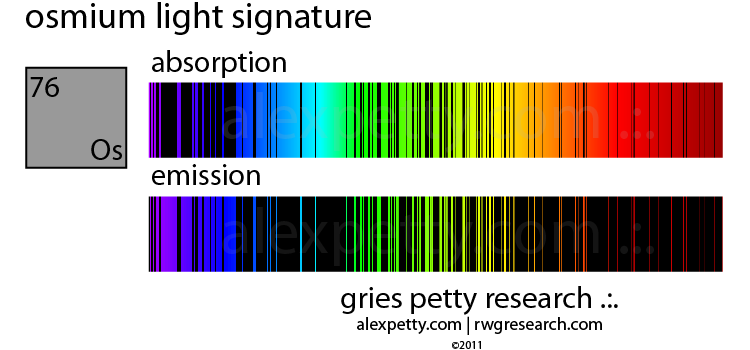
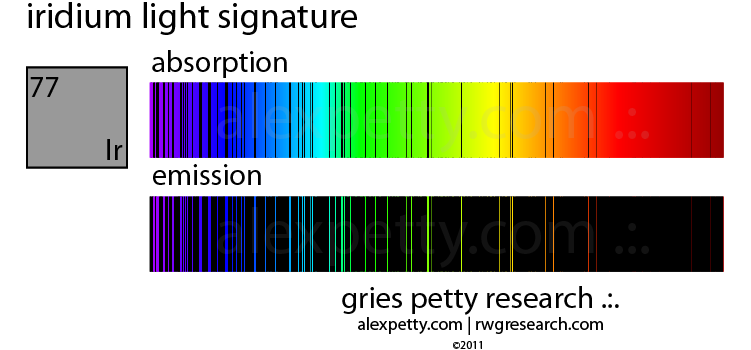
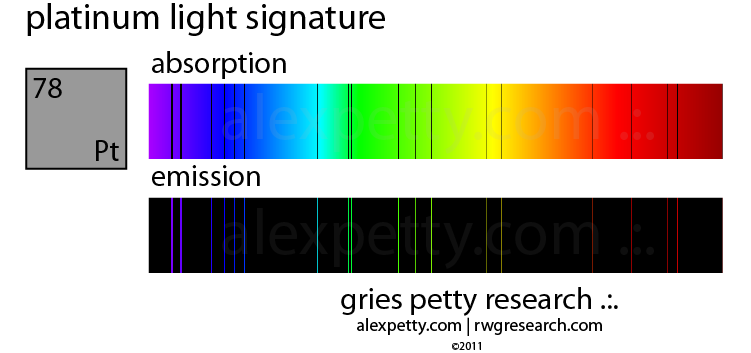
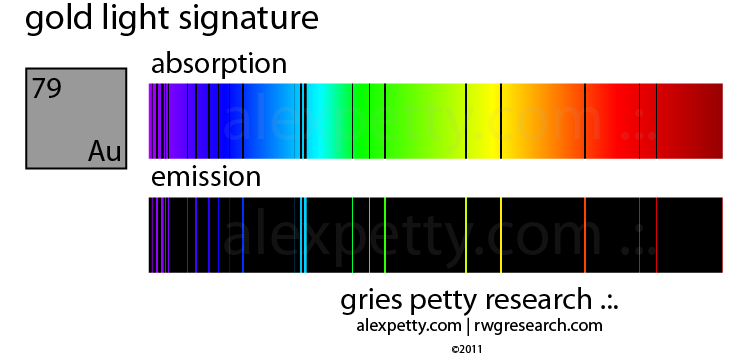
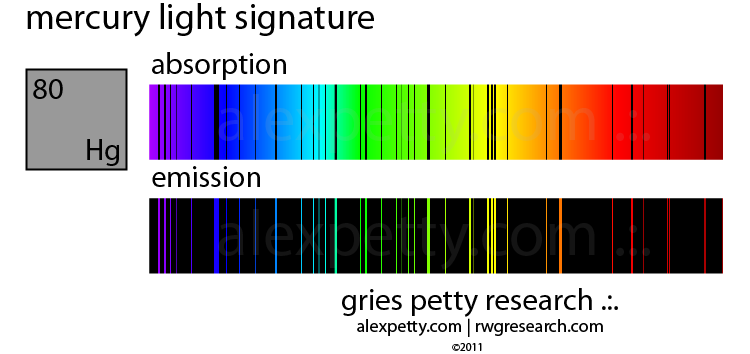
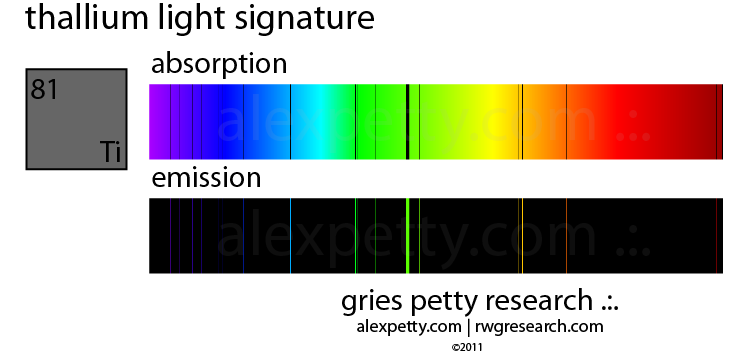
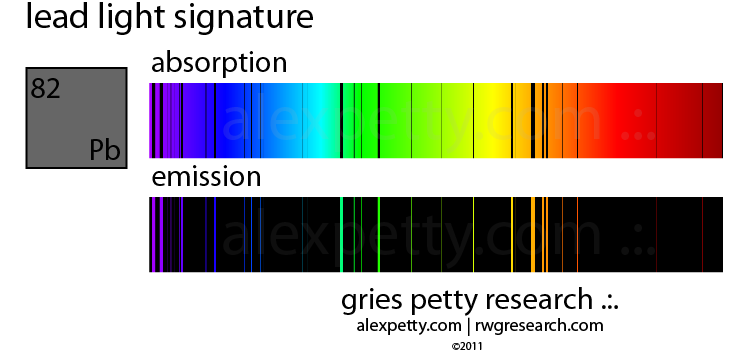
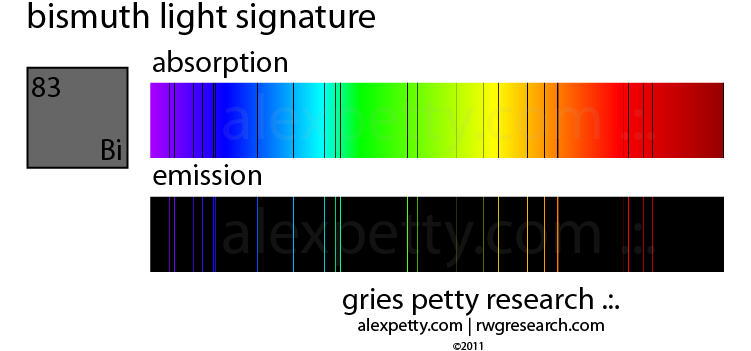
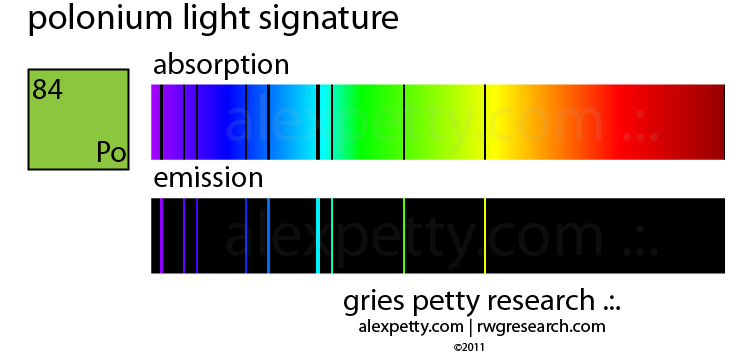
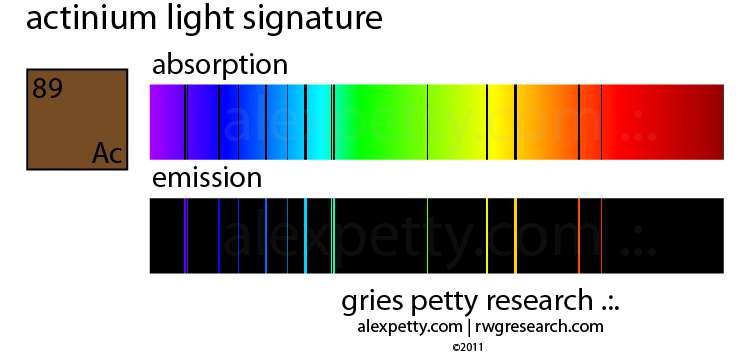
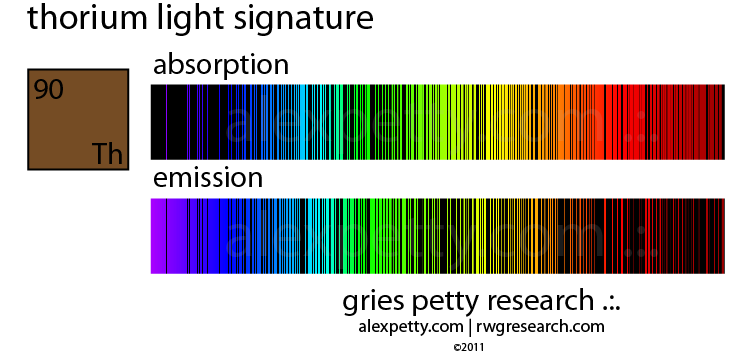
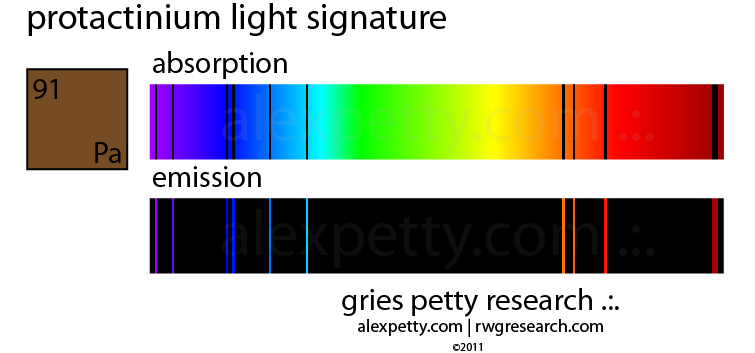
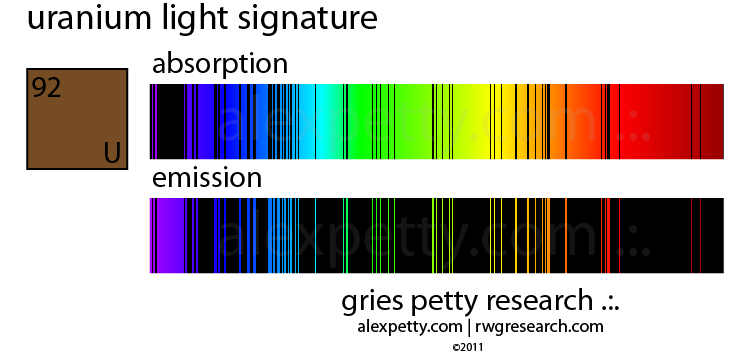
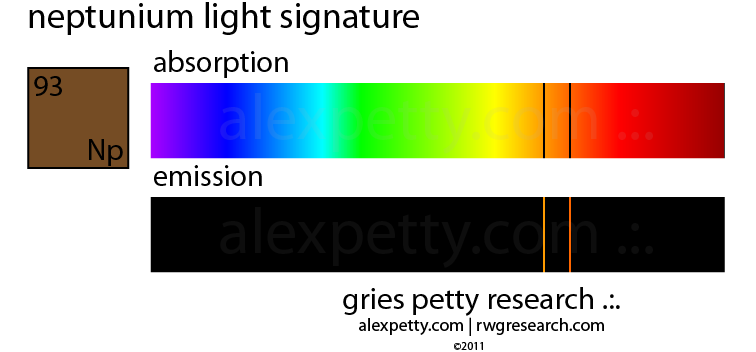
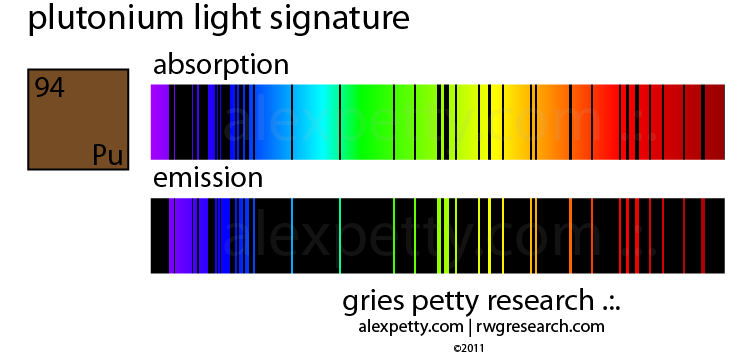
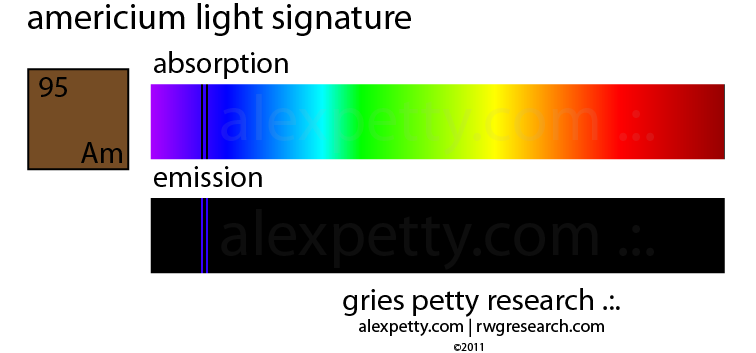
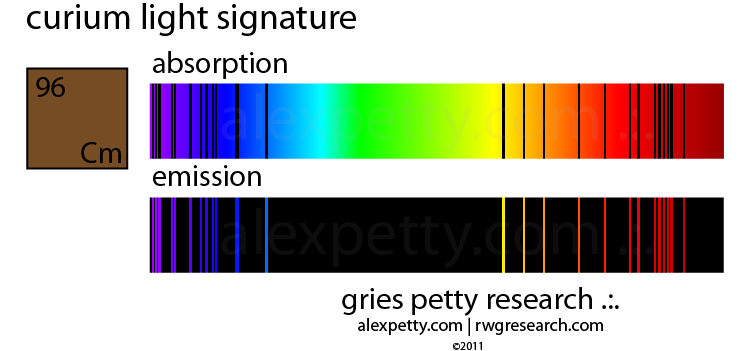
Atoms absorb and emit light at specific frequencies. These spectral signatures act like fingerprints. Each element leaves its own pattern in light.
By studying these patterns we gain insight into how matter itself is organized.
In this sense the periodic table can be viewed as a catalog of stable vibrational structures. Each element represents a distinct arrangement of energy within the field.
Matter, then, may be understood as highly ordered vibration. Light reveals the pattern.
The physical universe emerges when energy organizes itself within space.
Light provides the clearest example of this organization. It propagates through space as oscillation and carries both energy and structure.
When these oscillations interact with matter they produce vibration and potential within physical systems.
The universe contains enormous amounts of material substance: gases, liquids, and solids. These forms act as media through which energy moves.
As energy passes through a medium it produces secondary effects. These effects cascade into increasingly complex structures.
A simple example is sound.
When energy moves through atmospheric gas it produces pressure waves in the air. If the frequencies of these waves fall between roughly 20 and 20,000 cycles per second, the human ear perceives them as sound.
A similar process occurs in electrical conductors.
When energy moves through a material such as copper, it produces oscillations within the conductor’s lattice. These oscillations appear as electric current. Through this process electronic devices become possible.
In each case the pattern is the same. Energy moves through a medium and the medium responds with structured vibration.
Human technology arises from learning how to guide these interactions.
Light Signatures of Matter
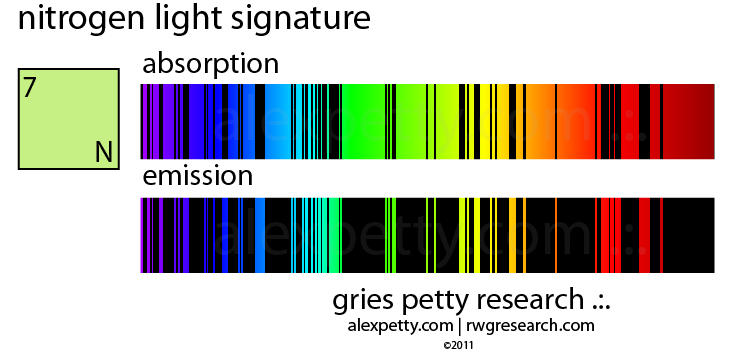
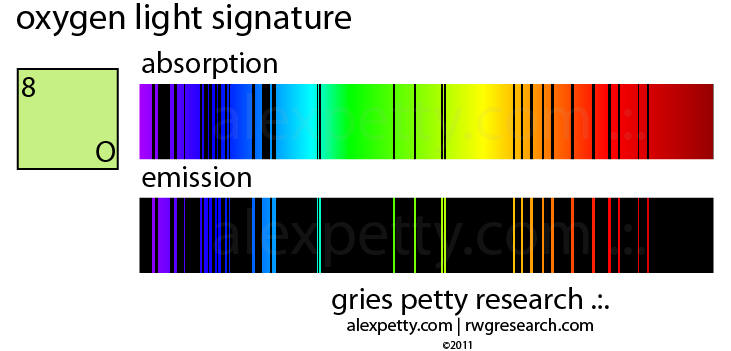
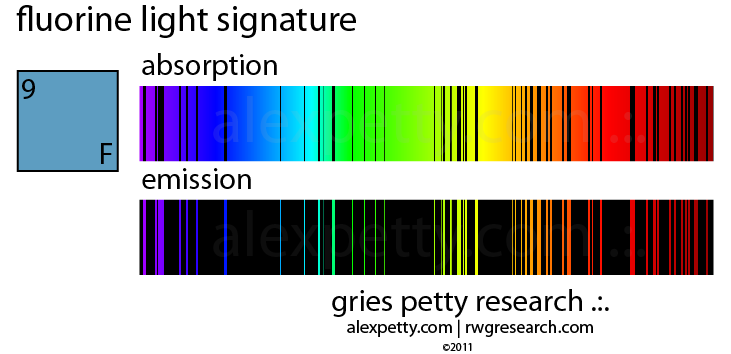
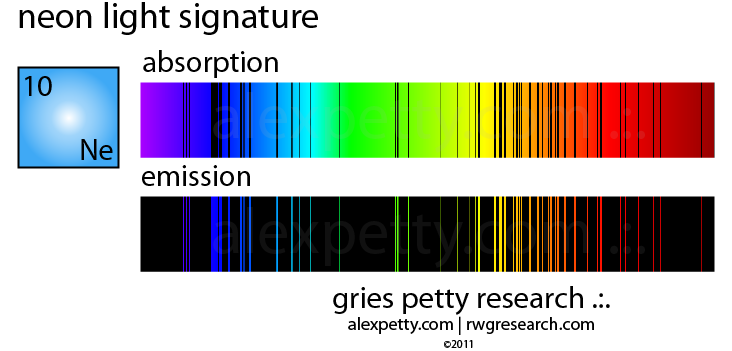
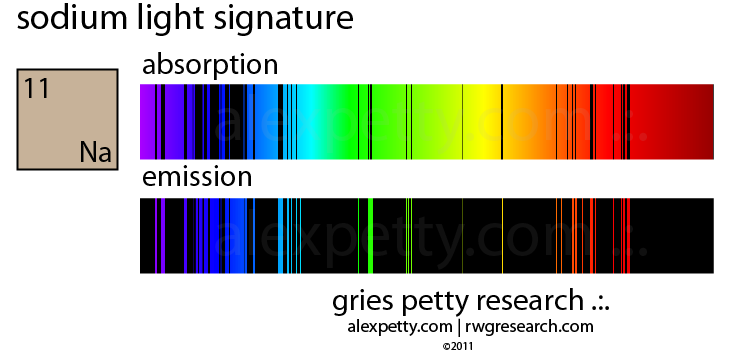
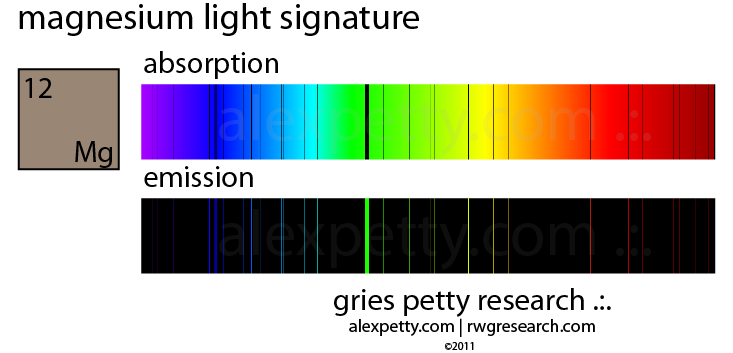
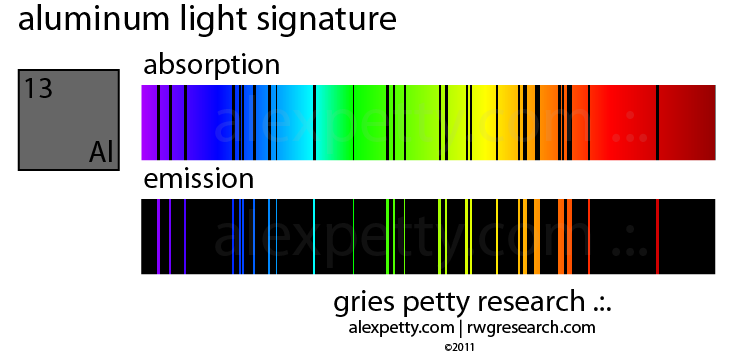
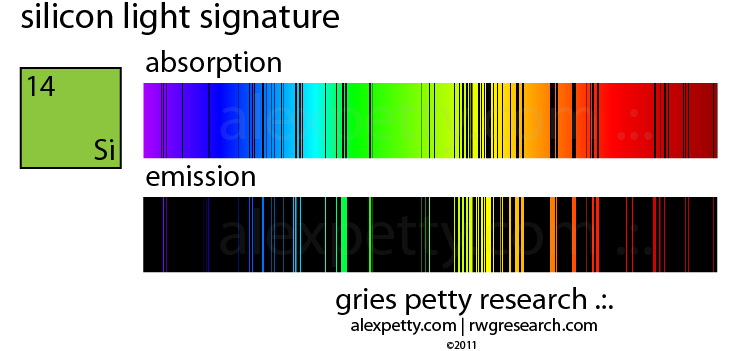
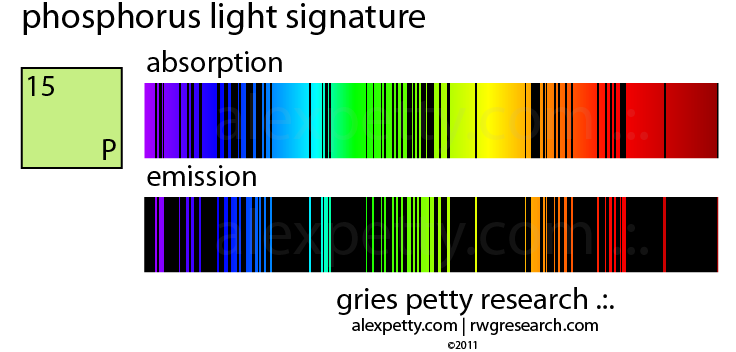
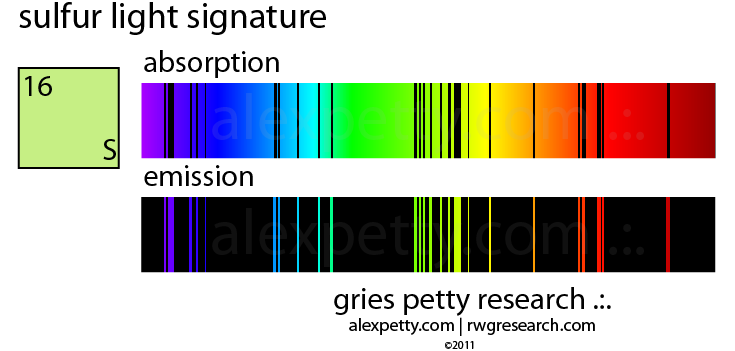
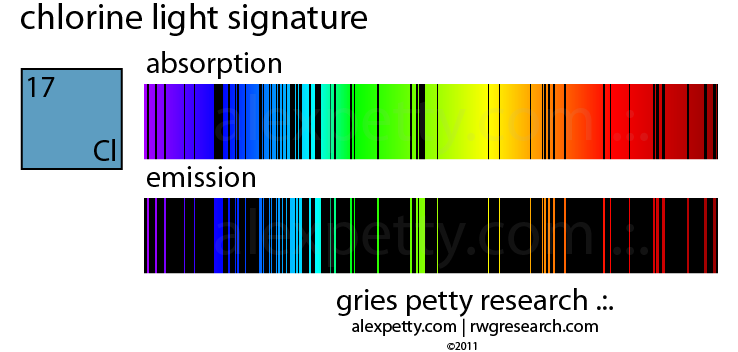
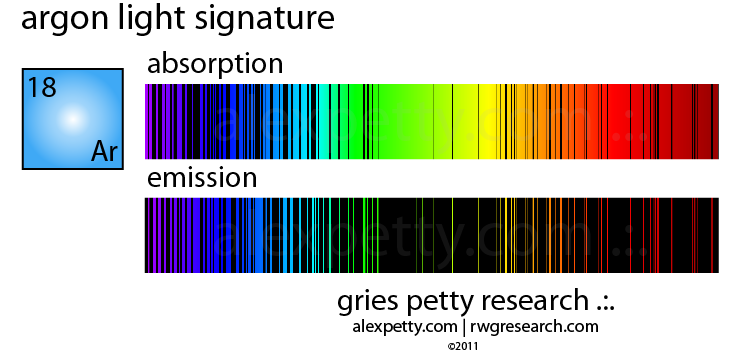
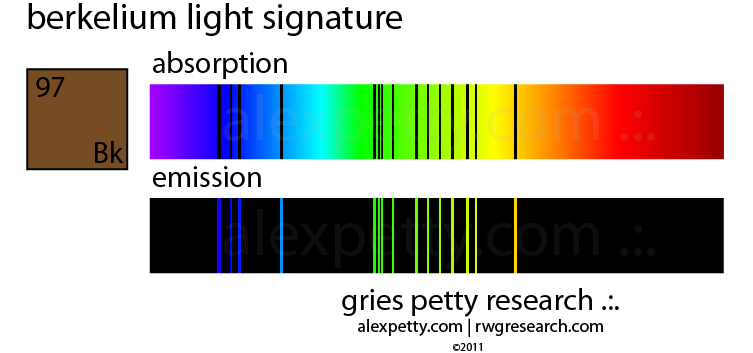
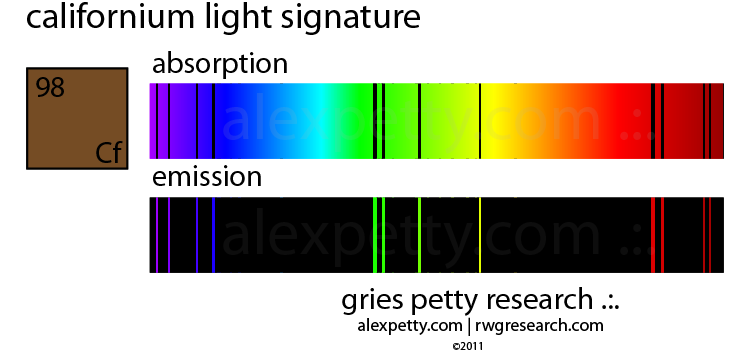
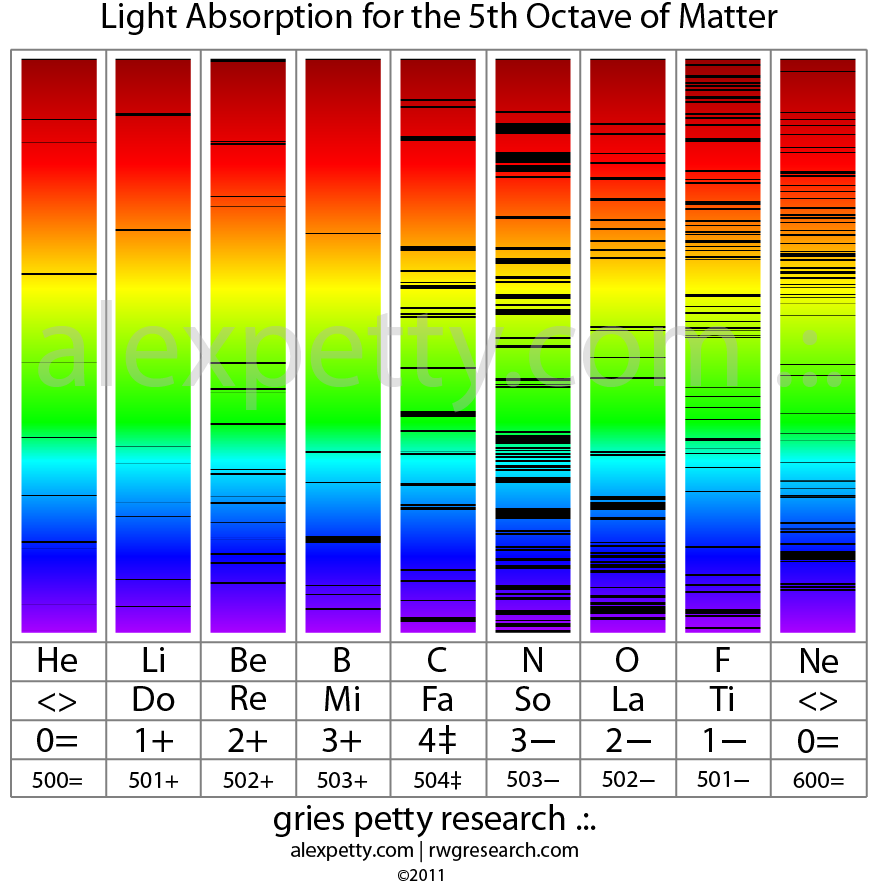
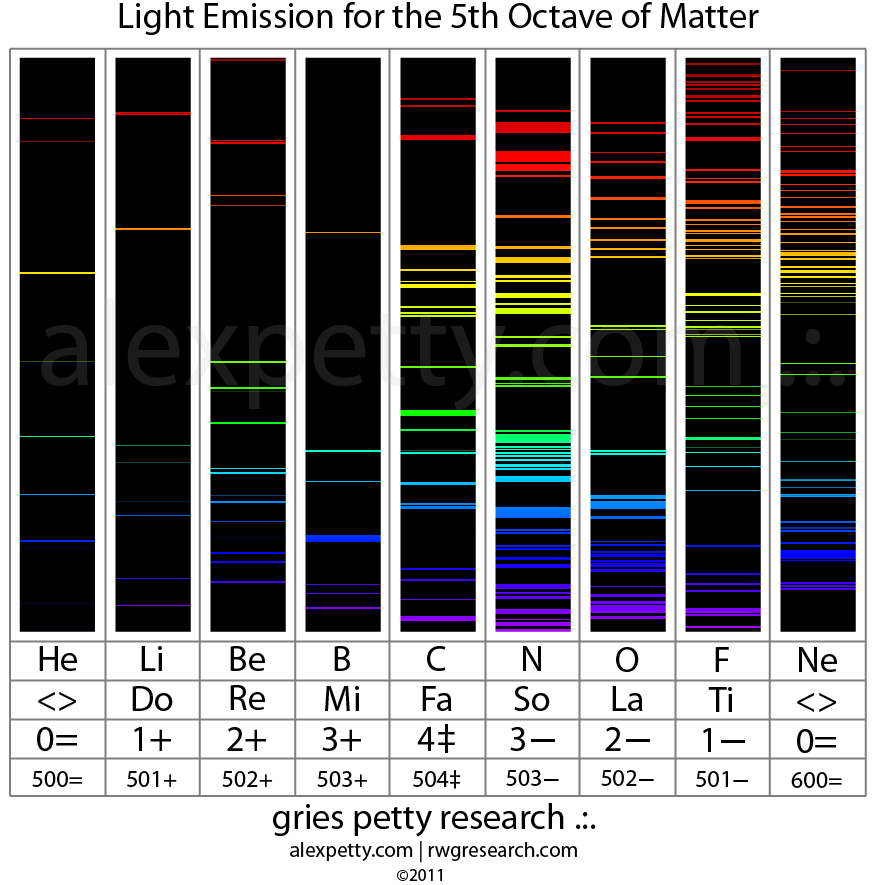
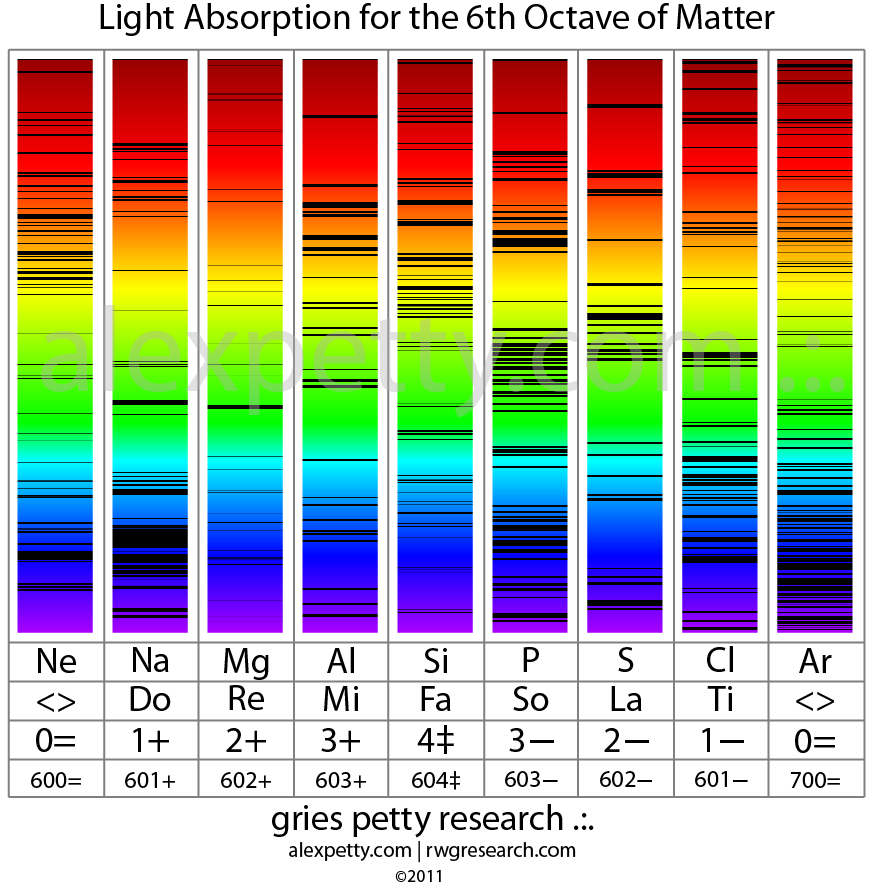
The elements of the periodic table also reveal themselves through light.
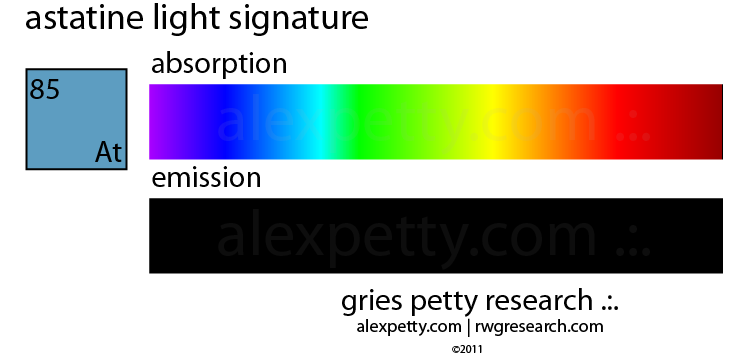
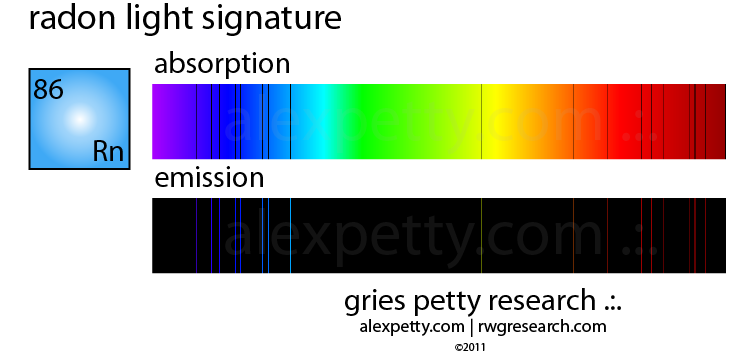
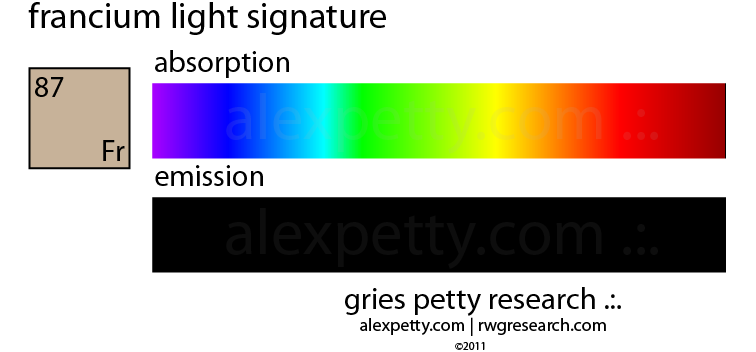
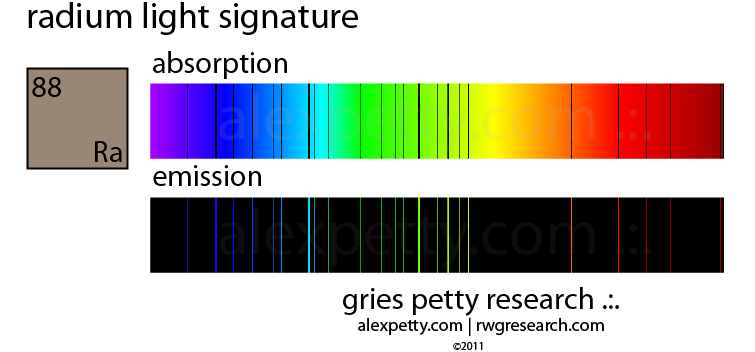
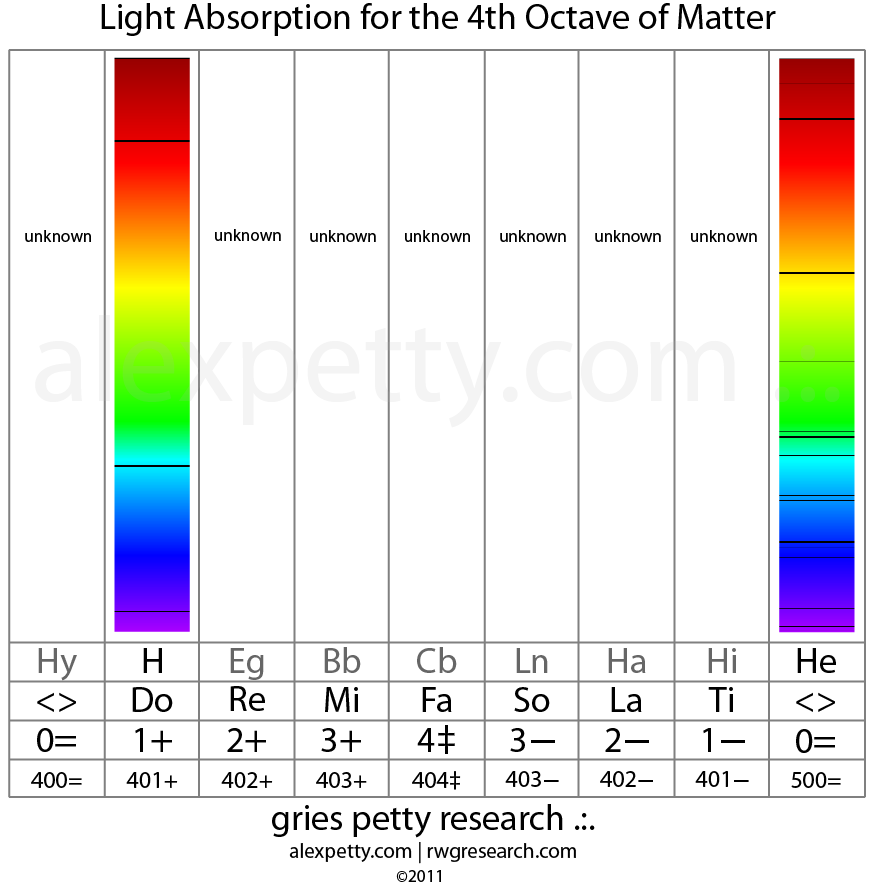
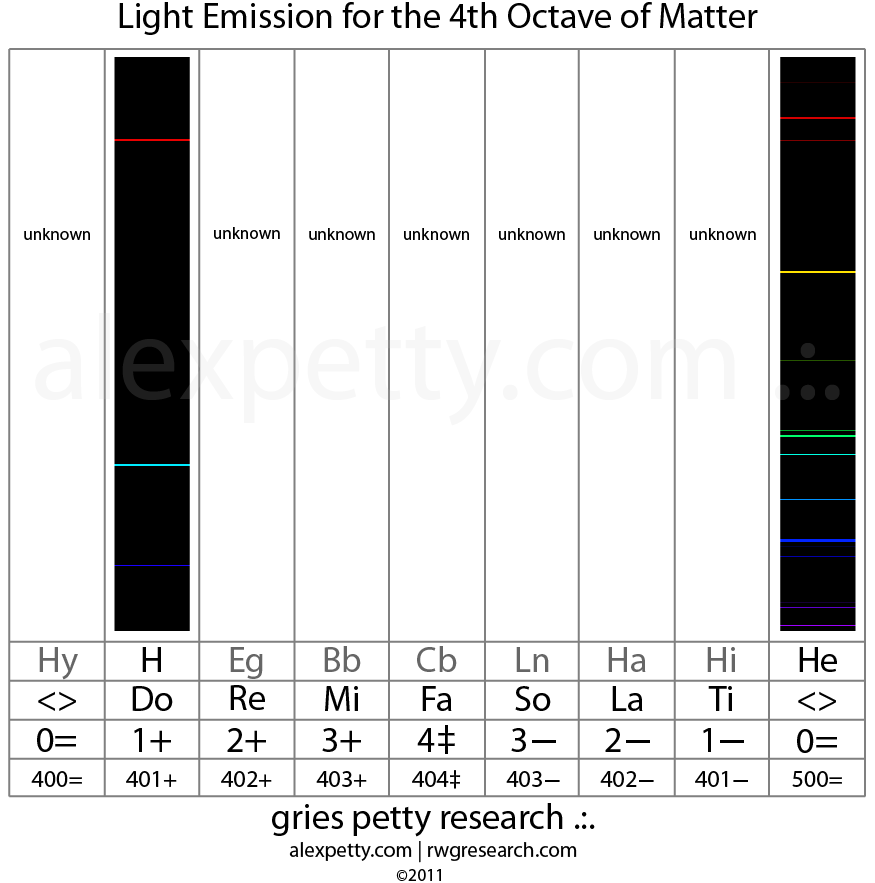
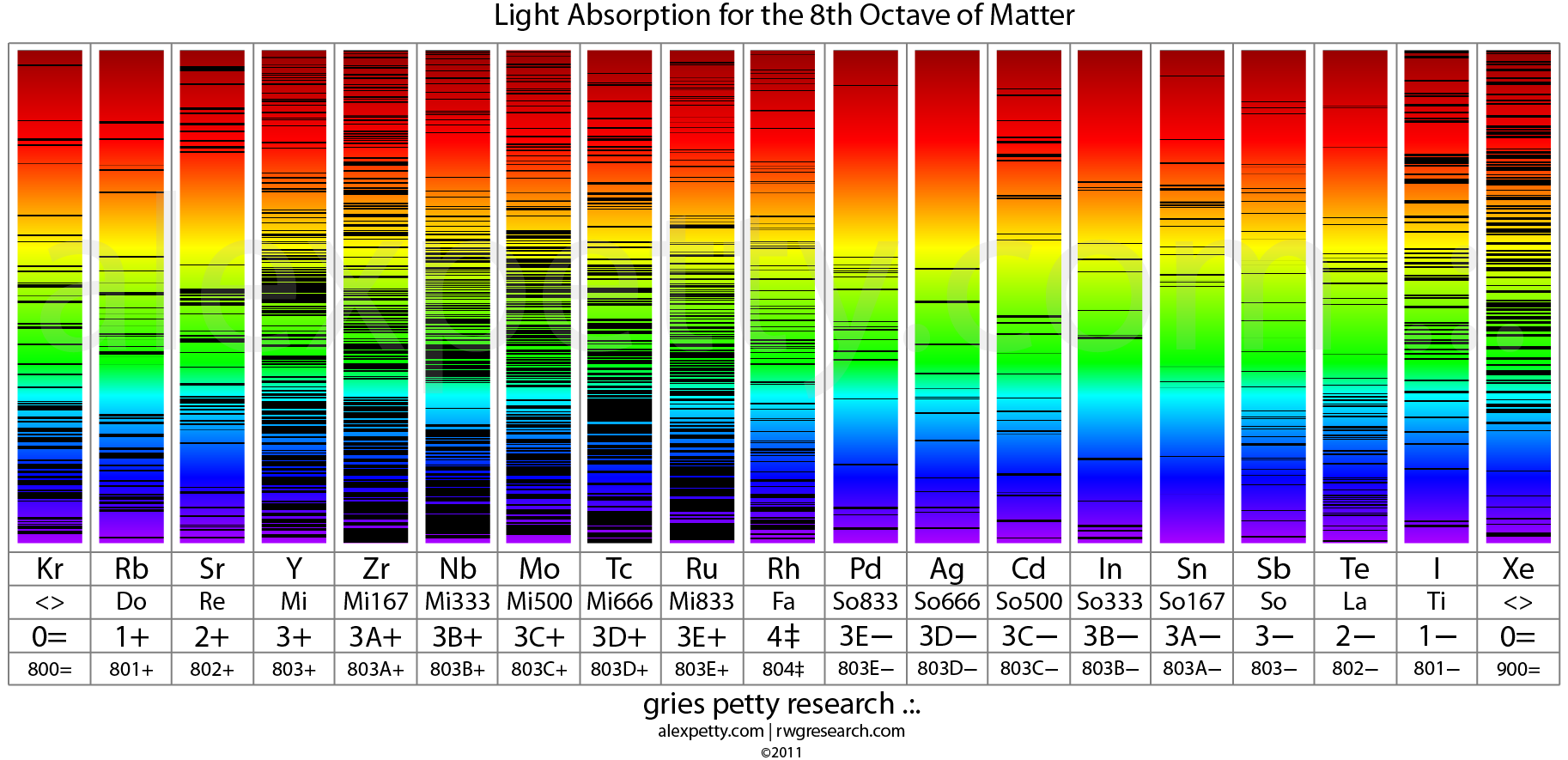
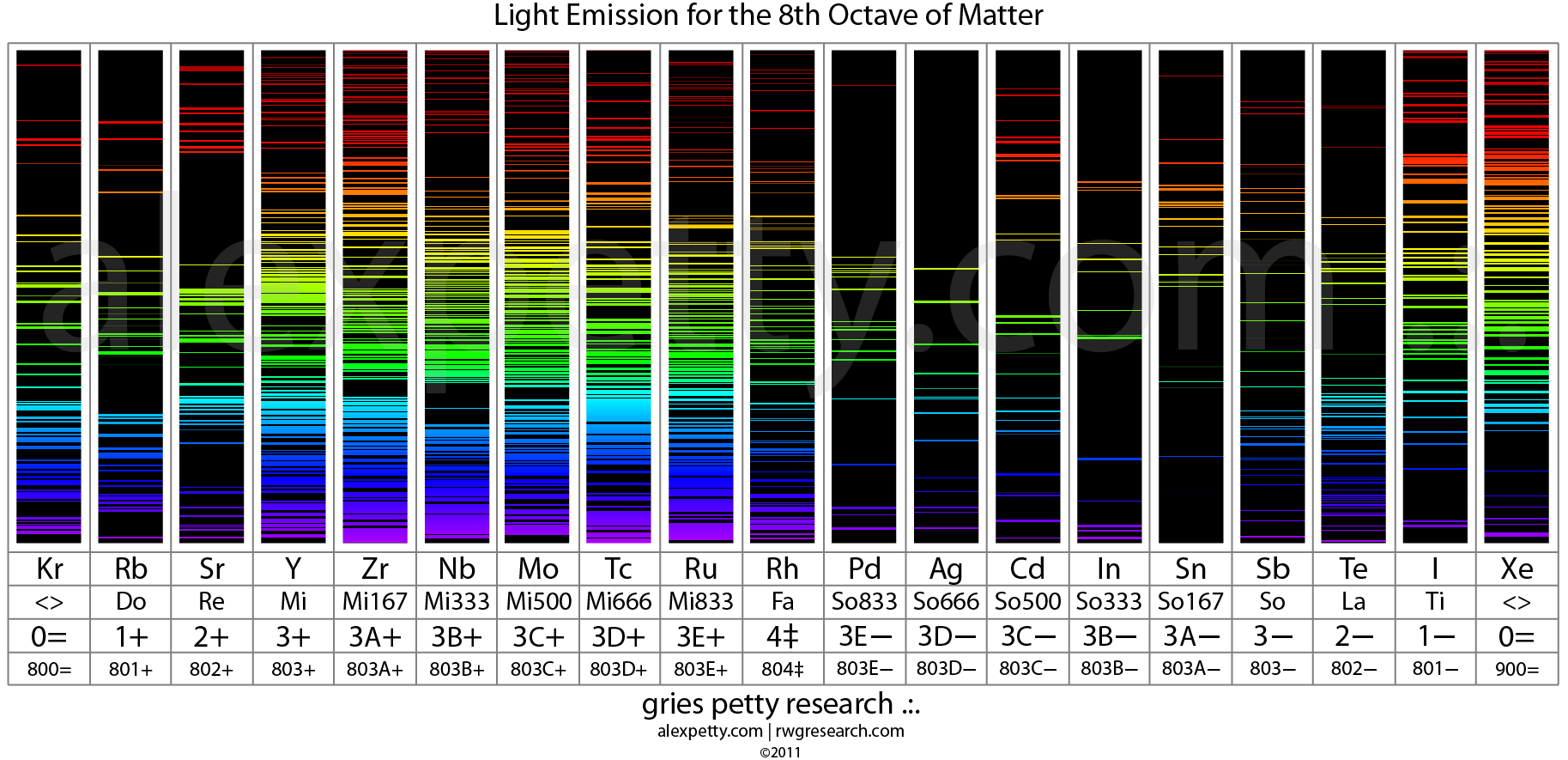
When atoms absorb or emit energy they do so at precise frequencies. These frequencies form spectral patterns that are unique to each element.
These spectra act as signatures of atomic structure.
By studying atomic absorption and emission spectra we gain a direct view into the internal organization of matter.
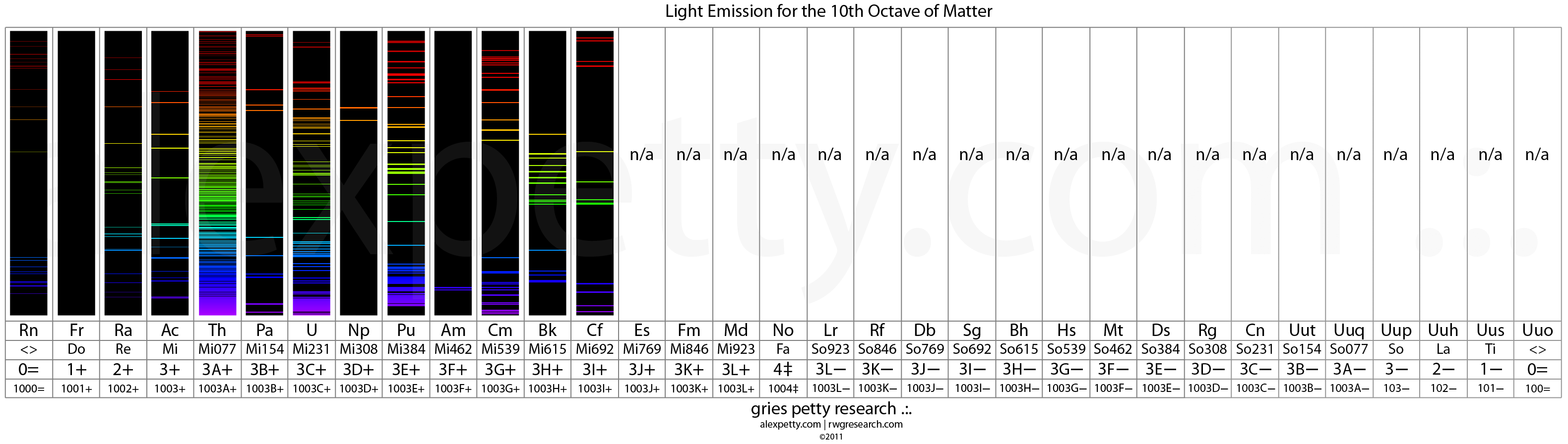
Below is a listing of these spectral signatures for the known elements.
23
35
The Tones of Matter
Jelaleddin Rumi, the Persian Sufi mystic who lived from 1207 to 1273 AD, once wrote:
“In the rhythm of music a secret is hidden. If I were to reveal it, it would overturn the world.”
It was also said by the Alexandrian master Hermes Trismegistus:
“As above, so below.”
Both statements point toward a common observation about energy.
Energy moves in cycles.
These cycles repeat across scales. The pattern remains the same while the frequency changes.
As wavelengths grow longer, frequency decreases.
As wavelengths grow shorter, frequency increases.
The Musical Octave
We experience this structure most clearly in music.
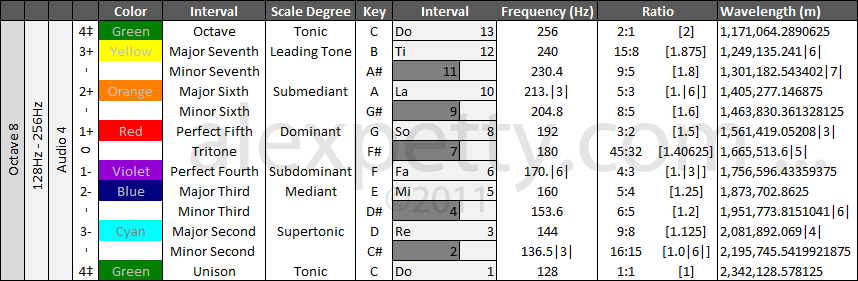
The musical scale contains seven primary tones:
Do
Re
Mi
Fa
So
La
Ti
When the sequence repeats, the next tone is the same note at a higher frequency. This repetition forms the musical octave.
The human ear can perceive roughly ten octaves of sound.
The Color Octave
A similar structure appears in light.
Visible light presents seven primary colors:
Violet
Indigo
Blue
Green
Yellow
Orange
Red
The human eye perceives only a narrow band of electromagnetic frequencies. This visible band spans roughly one octave.
Correspondence
When these two systems are compared, a correspondence appears.
Violet corresponds to Do.
Indigo corresponds to Re.
Blue corresponds to Mi.
Green corresponds to Fa.
Yellow corresponds to So.
Orange corresponds to La.
Red corresponds to Ti.
The pattern repeats at higher and lower frequencies just as it does in music.
Matter as Condensed Light
If energy organizes itself through repeating octaves, then matter may represent extremely high frequency tones within the same structure.
At sufficiently short wavelengths, on the order of fractions of an angstrom, oscillations of energy become confined into stable structures.
These structures appear to us as atoms.
In this sense the elements of the periodic table can be interpreted as tones within a very high frequency octave of light.
Walter Russell’s Octaves of Matter
Walter Russell proposed that matter unfolds across a series of repeating octaves.
In his model the universe expresses ten such octaves:
The Alphanon Octave
The Betanon Octave
The Gammanon Octave
The Hydron Octave
The Helium Octave
The Neon Octave
The Argon Octave
The Krypton Octave
The Xenon Octave
The Radon Octave
Russell suggested that matter organizes itself across these octaves in much the same way that musical tones repeat across increasing frequencies.
Within this framework the elements appear as specific tones within a larger vibratory structure.
Russell also anticipated several elements before they were experimentally identified, including deuterium, tritium, neptunium, and plutonium. These predictions formed part of his broader view that matter emerges from repeating harmonic relationships in energy.
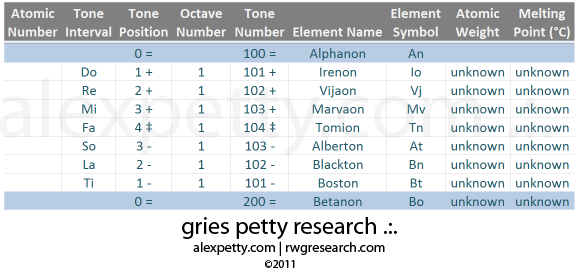
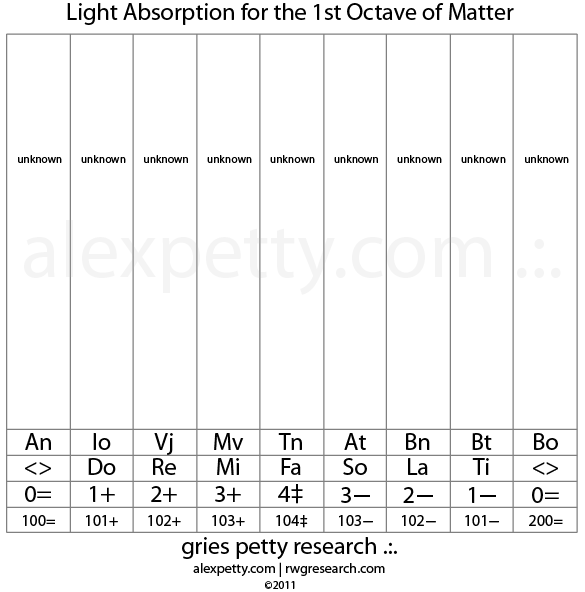
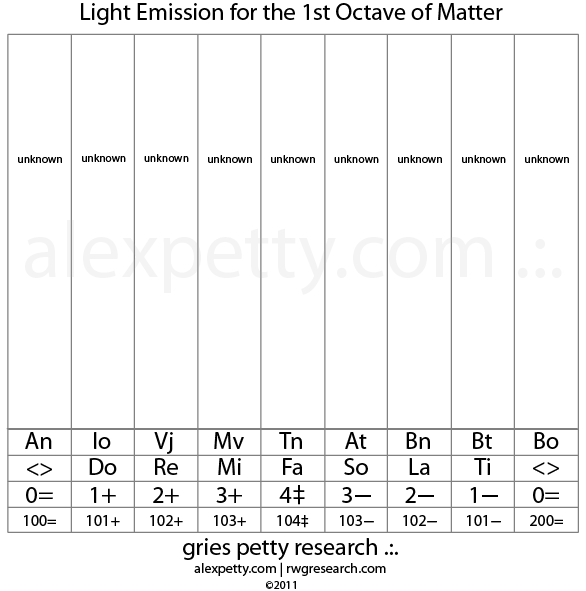
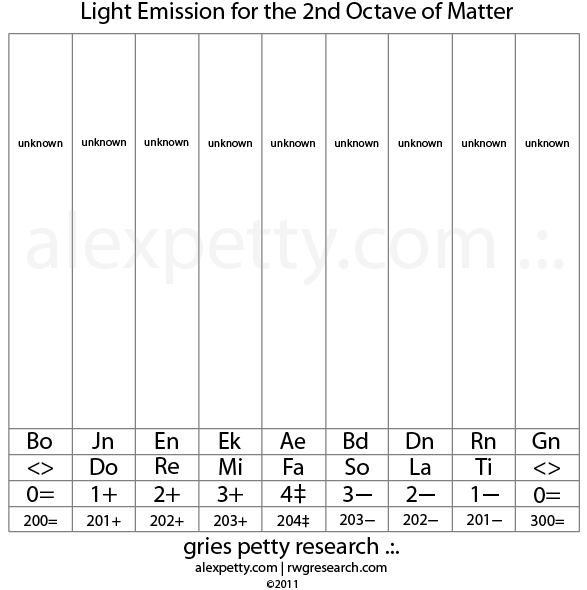
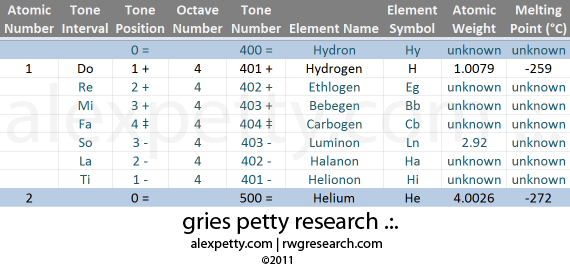
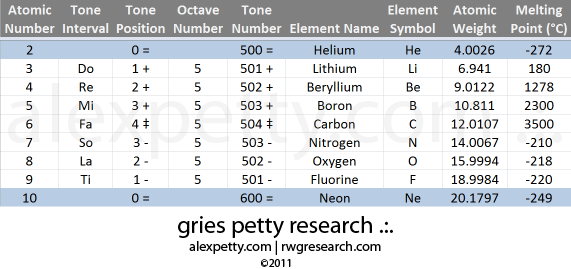
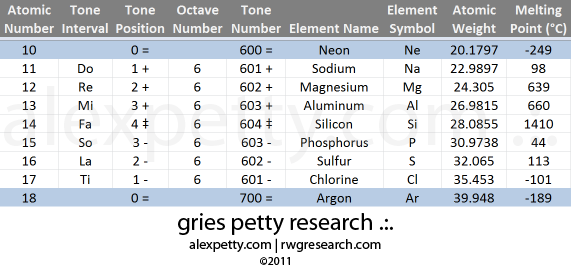
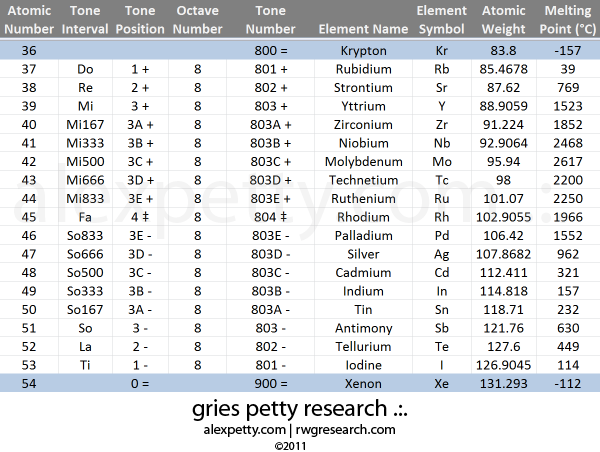
The figures below illustrate how light may cycle through higher energy octaves and appear as matter at major tones and certain semi tones.
Semi tones are indicated in cents, between 0 and 1000. For example, a tone halfway between Mi and Fa would appear as Mi500.
The First Octave of Matter
The Second Octave of Matter
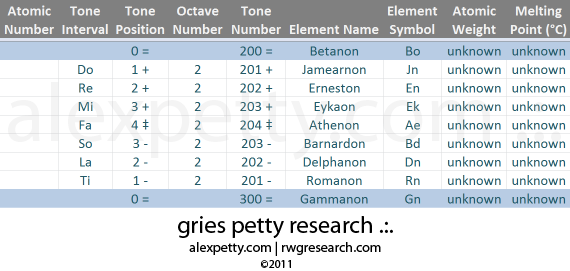
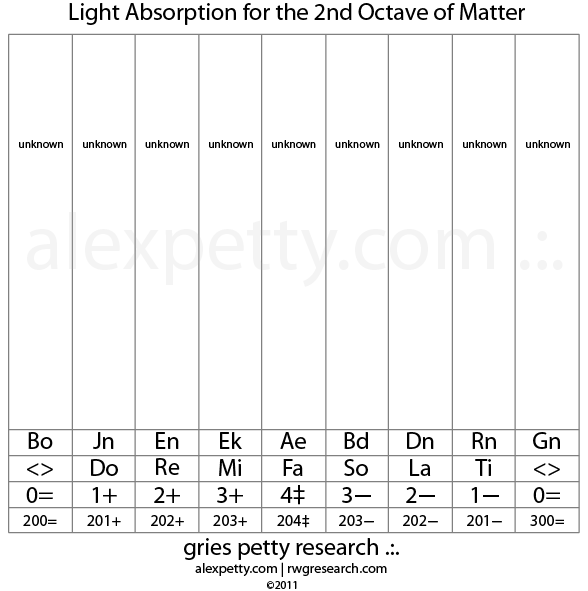
The Third Octave of Matter
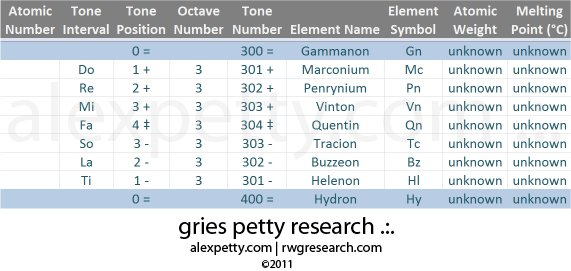
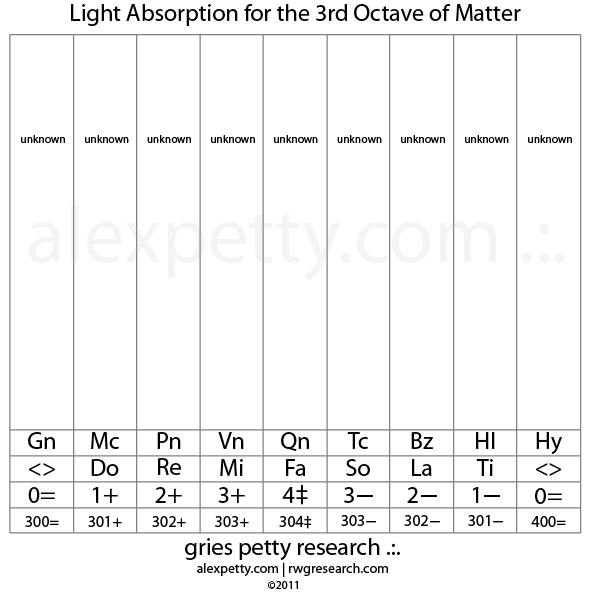
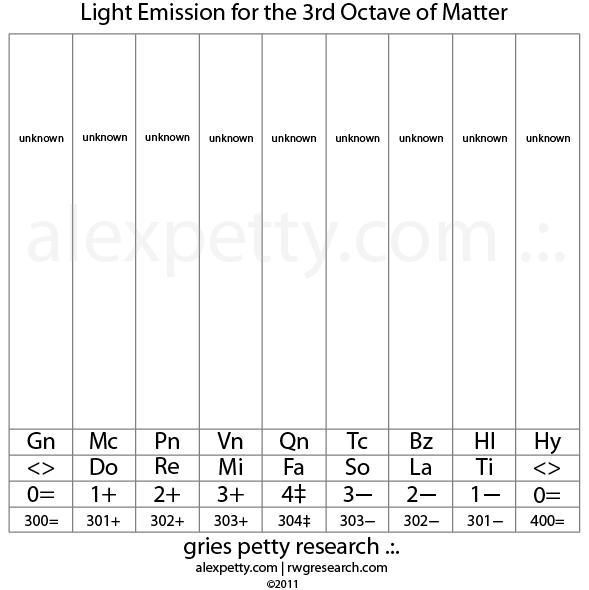
The Fourth Octave of Matter
The Fifth Octave of Matter
The Sixth Octave of Matter
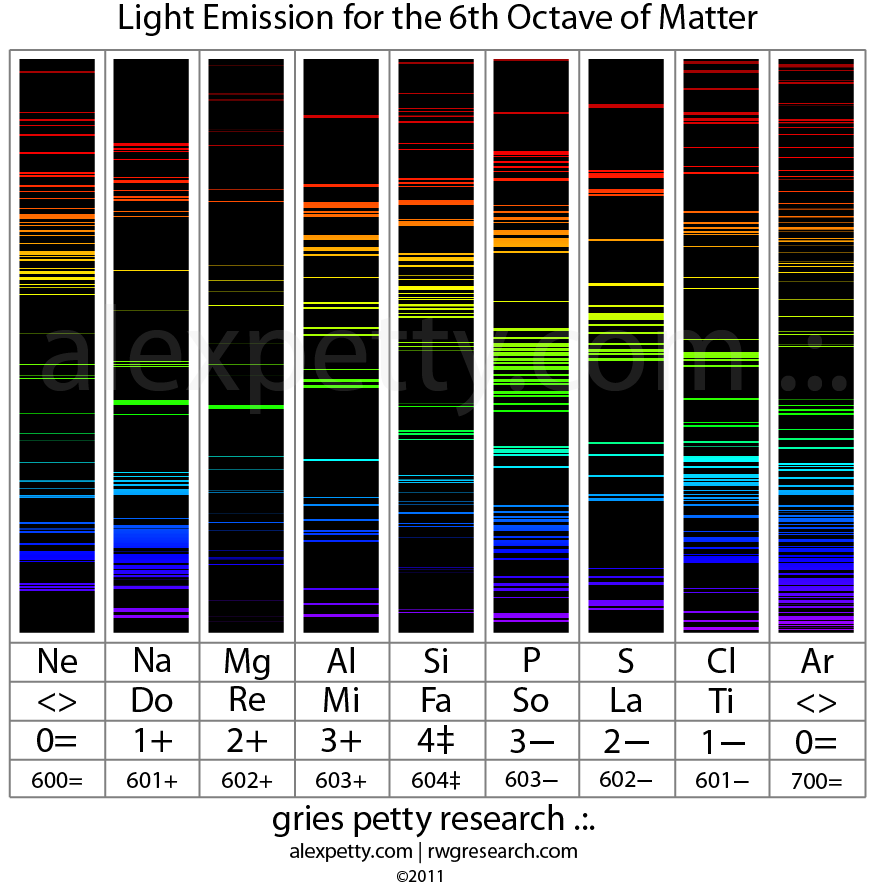
The Seventh Octave of Matter
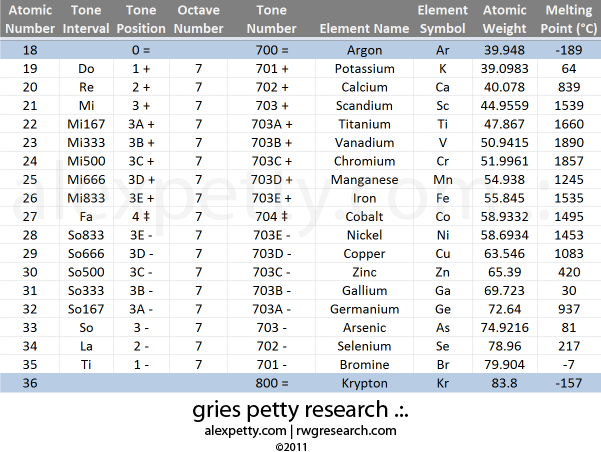
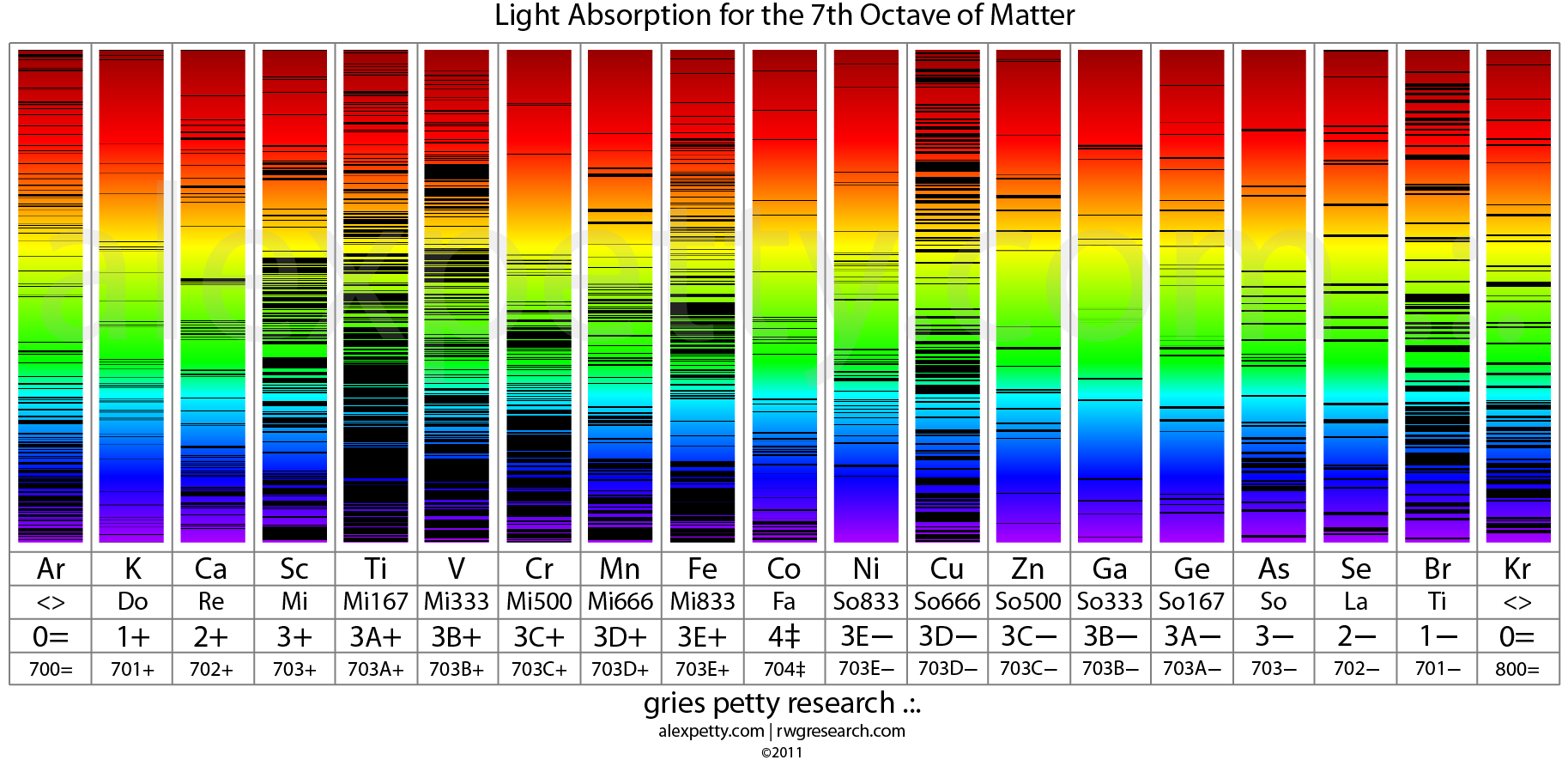
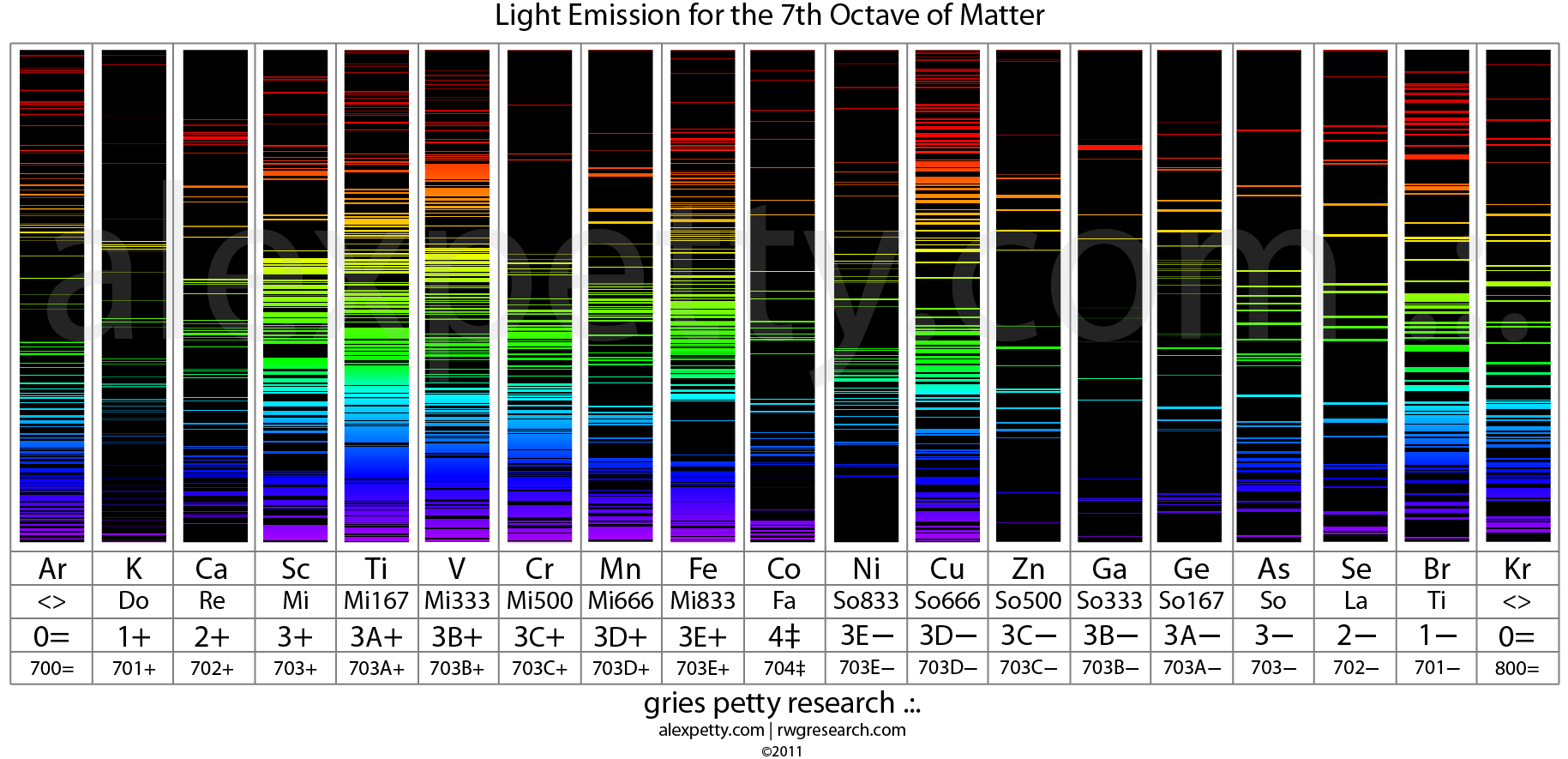
The Eighth Octave of Matter
The Ninth Octave of Matter
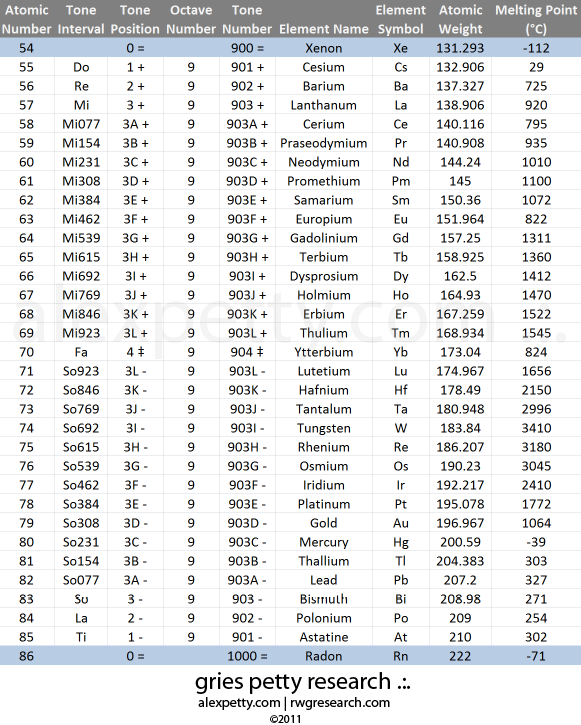
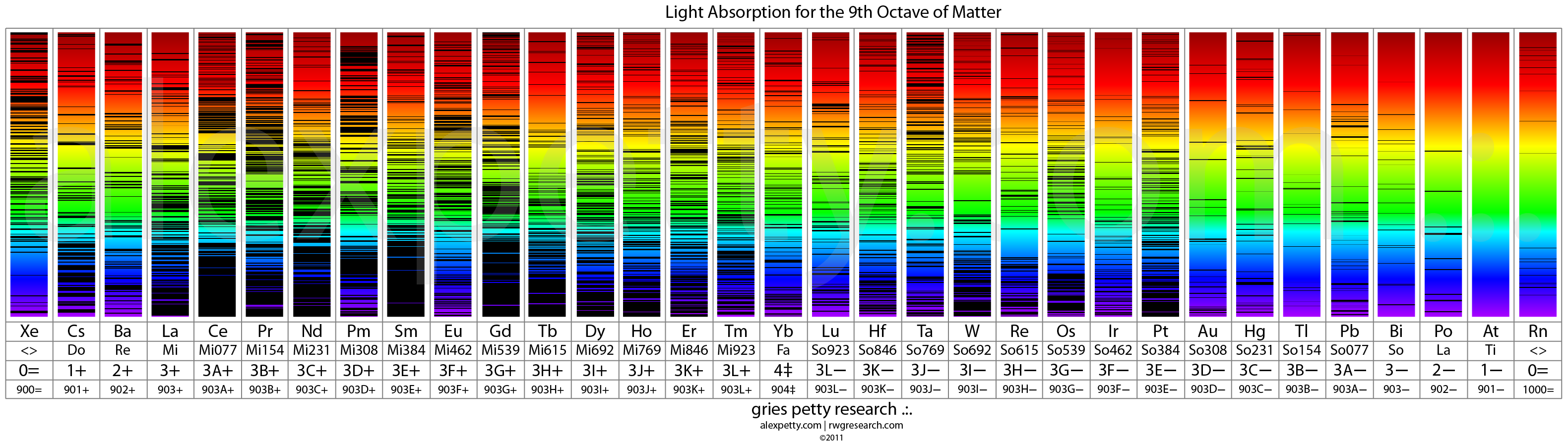
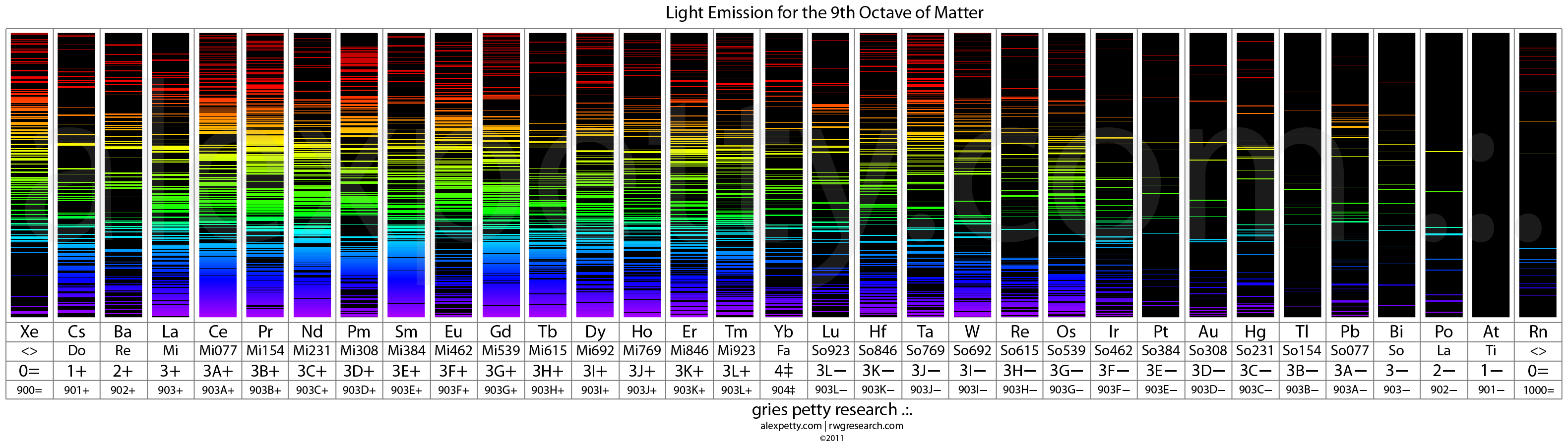
The Tenth Octave of Matter
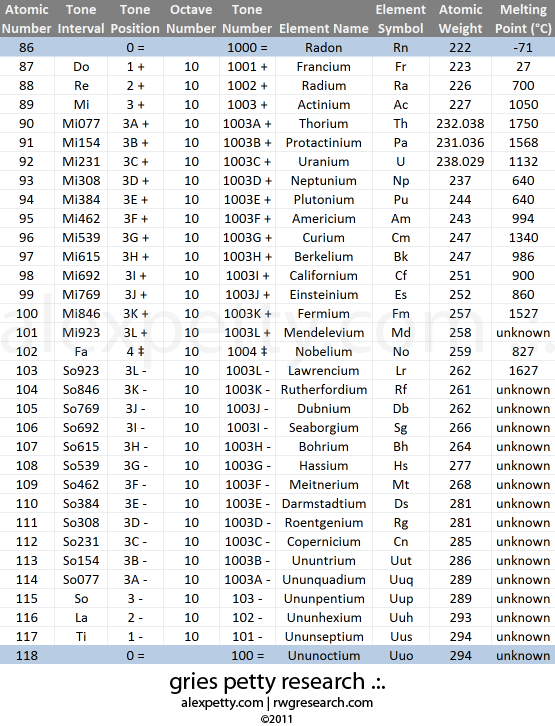
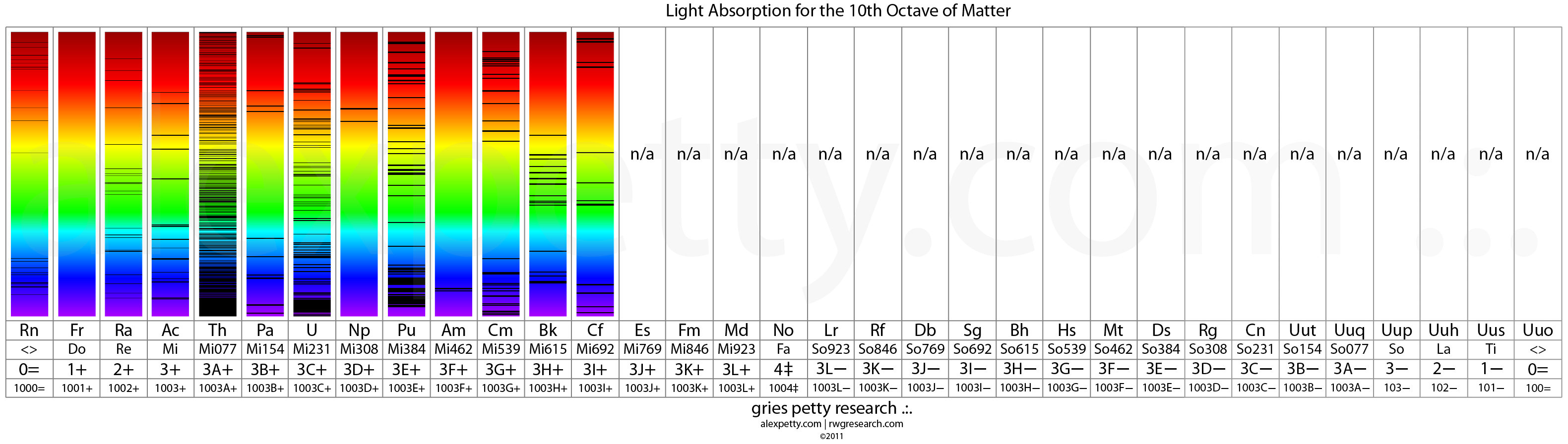
Spiral Representation of Matter
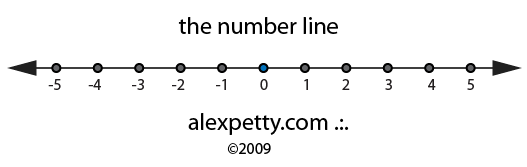
In the same way that the number line may be better understood as a spiral
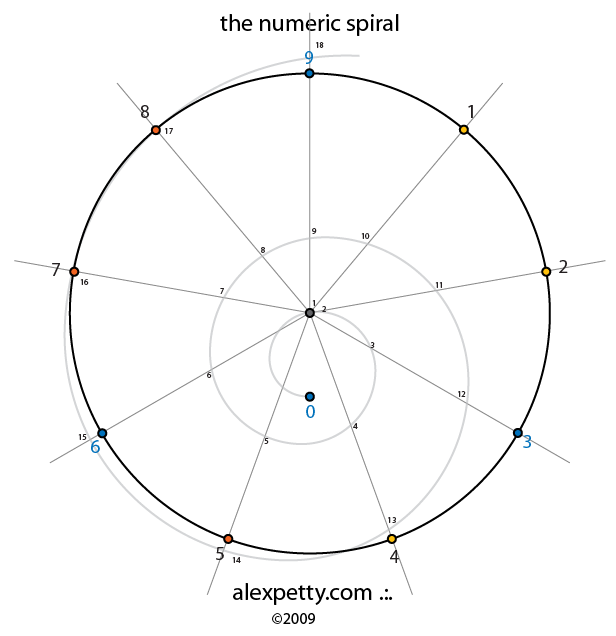
and in the same way that numbers themselves exhibit a breathing expansion and contraction
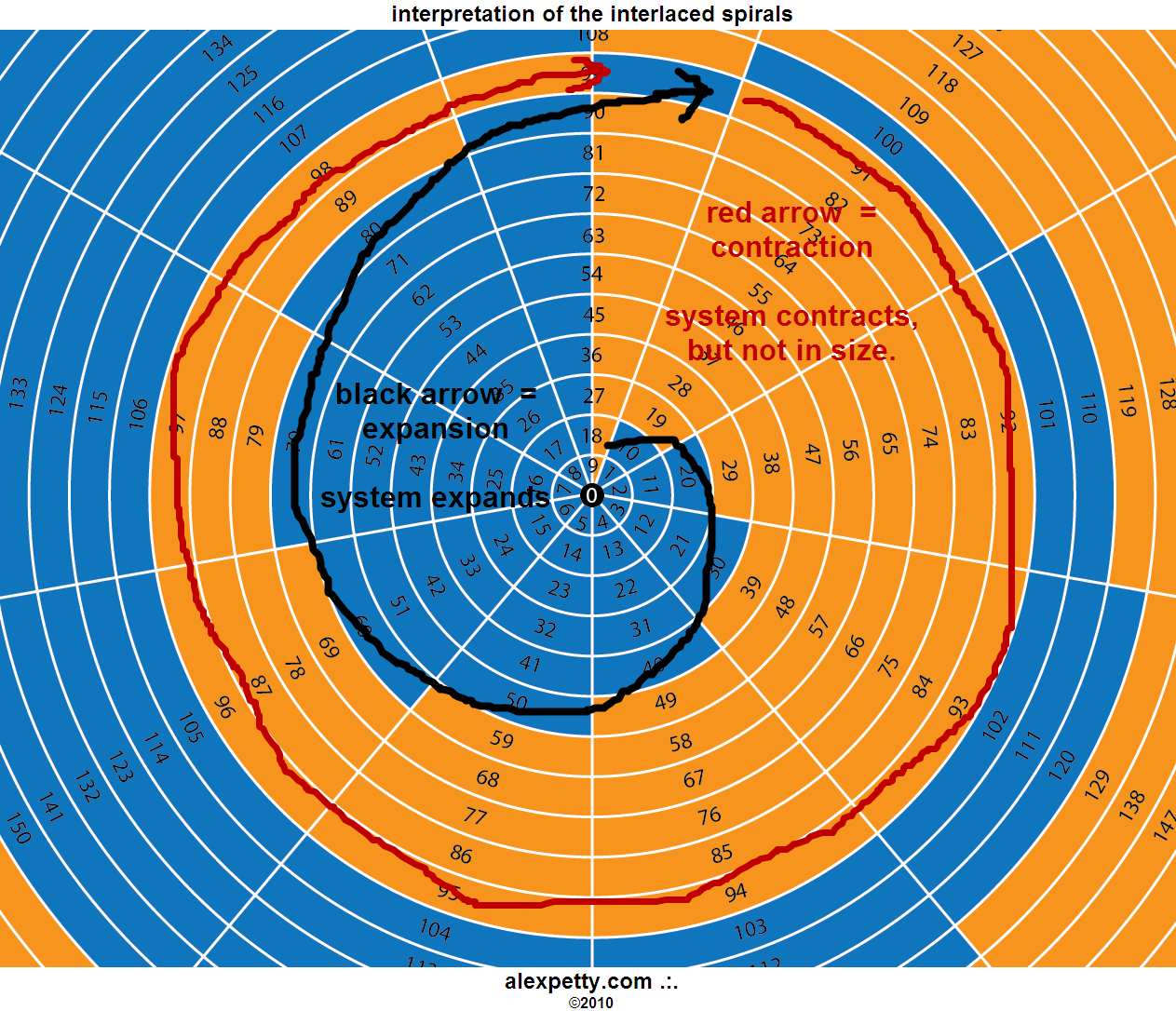
the periodic table may be better represented by a spiral structure rather than a rectangular one.
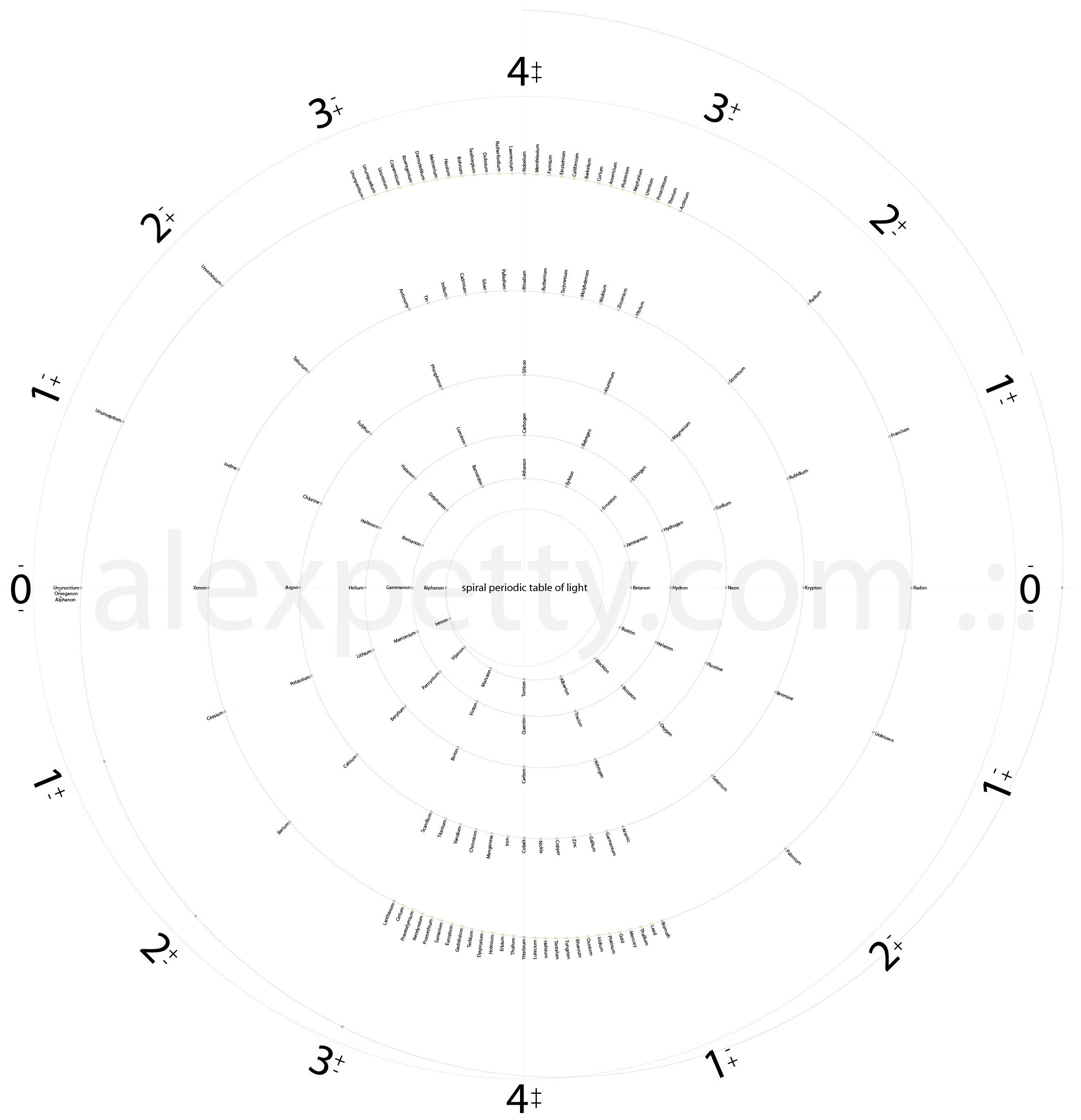
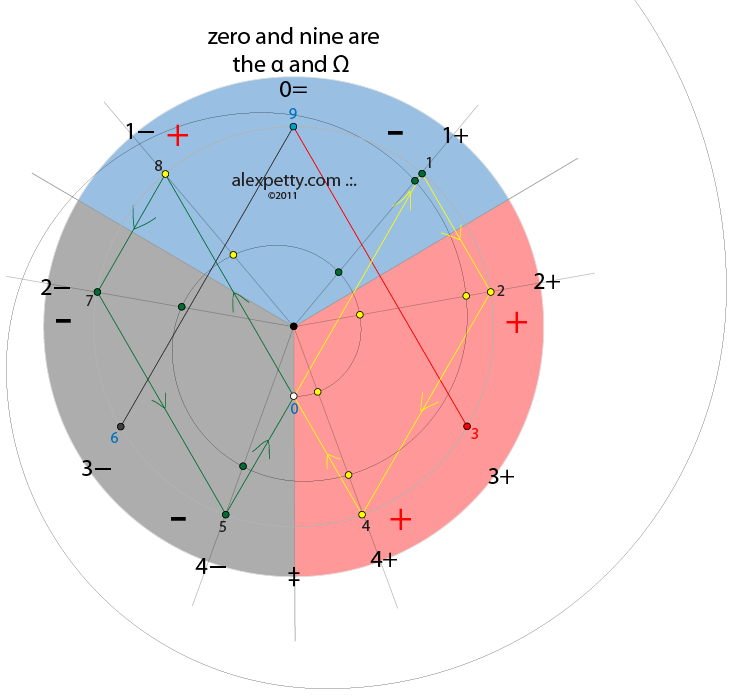
The mapping between the Spiral Periodic Table of Light and the Numeric Polarity Chart is shown below.
.:.